When Feet Go Numb: Peripheral Neuropathy and the Danger of Silent Injuries

Numb Feet and Peripheral Neuropathy: Warning Signs

July 26, 2026

Translated By
Marcos Otero
Reviewed By
Peripheral neuropathy

Introduction

Peripheral Neuropathy The neuropathy article is based primarily on current NINDS and NIDDK guidance. These sources describe the many possible causes of peripheral neuropathy and emphasize daily inspection, safe footwear, prompt wound treatment, and special attention to a red, hot, swollen foot in someone with loss of sensation.

What It Is?

Los pies informan sobre calor, frío, presión, dolor y juguetes olvidados. La neuropatía periférica daña los nervios que llevan esos mensajes al cerebro.

Puede causar ardor, hormigueo, descargas, sensibilidad, debilidad o adormecimiento. La diabetes es frecuente, pero también influyen deficiencias vitamínicas, enfermedades renales o tiroideas, alcohol, medicamentos, quimioterapia, trastornos autoinmunes, infecciones, compresión nerviosa, enfermedades hereditarias y lesiones. A veces no se encuentra una causa.

El mayor peligro quizá no sea el dolor. Una persona que no siente una ampolla, un objeto afilado, una superficie caliente o un zapato apretado puede seguir caminando sobre la lesión. Un problema puede convertirse en úlcera o infección antes de notarse.

Why the Diagnosis Is Sometimes Missed

Neuropathy often develops gradually. Symptoms may begin in the toes, affect both feet, and creep upward over months or years. People may blame aging, poor circulation, uncomfortable shoes, or “sleeping wrong.”

Symptoms can also be confusing. Some feet hurt intensely while others feel almost nothing. A light bedsheet may feel painfully heavy, yet the same person may not notice a cut. Balance problems may be mistaken for clumsiness. Weakness may be blamed on being out of shape.

Symptoms alone do not establish the diagnosis. A clinician may review medicines, nutrition, diabetes risk, family history, and illnesses; examine strength, reflexes, skin, pulses, and sensation; and order tests. Finding the cause matters because some causes are treatable.

Patient Story

Roberto and his foot

Roberto, 61, noticed occasional tingling in his toes but did not consider it important. After a long family festival, his wife found blood on his sock. A seam inside his shoe had rubbed a blister open, yet Roberto felt little pain.

The wound was treated before serious infection developed. Testing found type 2 diabetes and reduced sensation in both feet. Roberto learned that numbness is not protection; it removes the alarm system.

Symptoms

Sensory symptoms include numbness, pins and needles, burning, stabbing pain, electric sensations, or increased sensitivity to touch. Some people lose the ability to feel temperature or know where their feet are positioned.

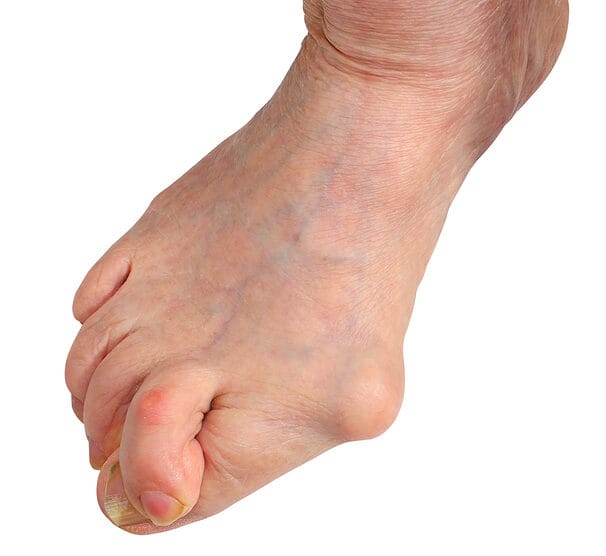
Motor nerve damage may cause weakness, cramps, toe deformities, difficulty lifting the front of the foot, tripping, or an unsteady gait. Autonomic nerve damage can reduce normal sweating, leaving skin dry and more likely to crack.

Symptoms often begin in a “stocking” pattern in both feet, but one nerve or side may be affected. Sudden or rapidly progressive symptoms require prompt assessment.

Risk Factors

Risk rises with diabetes, especially when blood glucose has remained high over time. Kidney disease, smoking, heavy alcohol use, nutritional deficiencies, older age, some cancer treatments, HIV and other infections, autoimmune disease, and certain inherited disorders can also increase risk.

People with neuropathy face extra danger when poor circulation, foot deformity, calluses, impaired vision, limited mobility, or shoes that rub are added to the picture. That combination can turn a minor pressure spot into a stubborn wound.

Red Flags / When to Seek Urgent Medical Care

Seek urgent medical care for a foot wound with spreading redness, warmth, swelling, drainage, bad odor, fever, or increasing discoloration. A black, blue, pale, or cold toe or foot may signal impaired blood flow.
A red, hot, swollen foot—especially when there is surprisingly little pain in someone with neuropathy—could be an infection or Charcot foot, a condition in which weakened bones and joints become damaged. Do not keep walking on it while waiting to see what happens.
New foot drop, rapidly worsening weakness, sudden one-sided numbness, severe back pain with new bladder or bowel problems, or weakness moving upward through the legs requires urgent evaluation. Call 911 for stroke symptoms, breathing difficulty, or rapidly spreading paralysis.

Complications

Prevention and Screening

Management begins with finding and treating the cause when possible. For people with diabetes, glucose, blood pressure, and cholesterol management can reduce complications. Medicines may ease nerve pain, but pain treatment does not restore lost sensation. Supplements help only when a true deficiency exists; megadoses can sometimes cause harm.

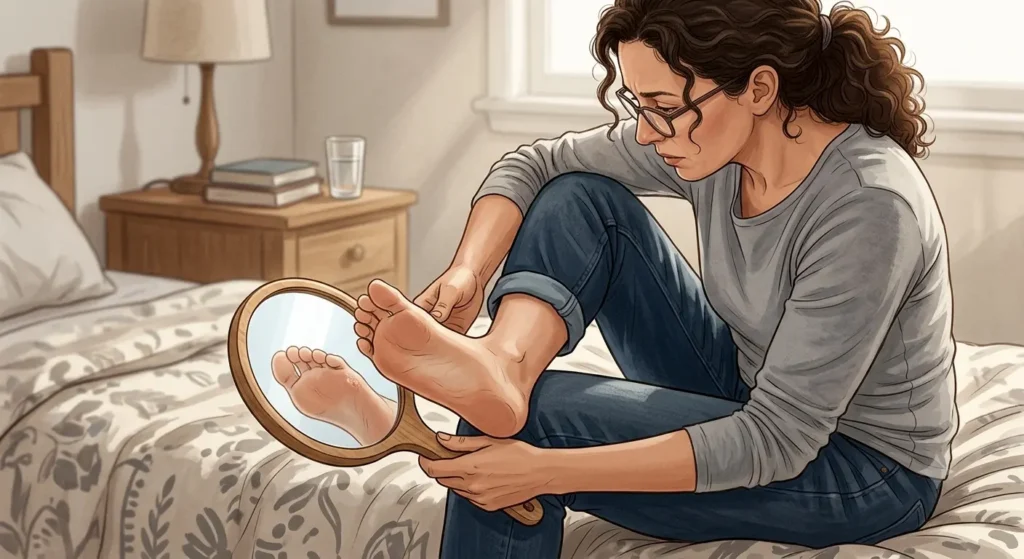
Inspect both feet every day, including the soles and between the toes. Use a mirror or ask for help if needed. Look for blisters, cuts, redness, swelling, cracks, drainage, or color change. Wash in warm—not hot—water, dry carefully, and moisturize dry skin while avoiding lotion between the toes.

Never test bath water with a numb foot; use a hand or thermometer. Avoid heating pads and hot-water bottles on areas with reduced sensation. Do not walk barefoot, even indoors. Shake out shoes before putting them on and wear clean socks and properly fitted footwear.

Trim nails straight across and file sharp edges. People with poor vision, thick nails, circulation problems, previous ulcers, or significant numbness may need professional nail and callus care. Never cut corns or calluses with blades or use medicated removers without guidance.

Movement, smoking cessation, nutritious food, and limiting alcohol support nerve and vascular health. Feet need regular professional examination, especially when sensation, circulation, deformity, or wounds are concerns.


Treatment

Quick Checklist - What You Can Do Now

  1. Informe ardor, hormigueo, adormecimiento, debilidad o cambios de equilibrio persistentes.
  2. Pregunte si deben evaluarse diabetes, deficiencias vitamínicas, medicamentos, tiroides, riñones u otras causas.
  3. Revise pies y zapatos todos los días.
  4. Tome en serio cada ampolla, cortadura o punto de presión.
  5. Evite caminar descalzo y aplicar calor directo.
  6. Use zapatos bien ajustados y con espacio para los dedos.
  7. Busque atención urgente ante infección, cambio de color, hinchazón rápida o debilidad nueva.

Summary

Peripheral neuropathy changes how the feet communicate. It may shout with burning pain or whisper through numbness, but either pattern deserves attention. Early evaluation can identify treatable causes, reduce symptoms, and prevent injuries. Daily foot checks, safe footwear, control of underlying conditions, and quick care for wounds are simple habits with large benefits. When the feet stop sounding the alarm, your eyes must take over the night shift.

Medical Disclaimer

Medical Disclaimer – The content is for informational/educational purposes only, not professional medical advice, diagnosis, or treatment. Always remember to consult a doctor, never disregard professional advice, and no doctor-patient relationship is created.

Read our full Medical Disclaimer