
When Feet Change Shape: Bunions, Hammertoes, and Flat Feet

Bunions, Hammertoes, and Flat Feet

July 14, 2026

Translated By
Marcos Otero
Reviewed By
Marcos Otero
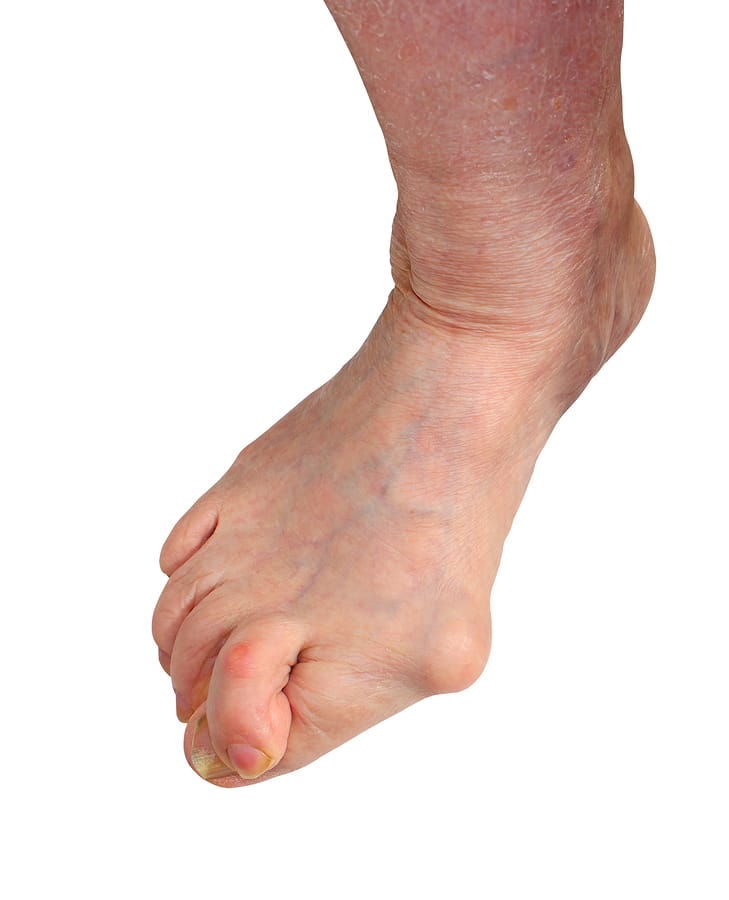
A close-up of a human foot with visible bunion deformity and signs of flat feet, causing the big toe to angle inward. The skin appears aged with dry patches around the ankle. The background is white.

Introduction

Feet change through age, activity, injury, arthritis, genetics, and footwear. Still, changing shape is not always “just getting older.”

What It Is?

Un juanete aparece cuando el dedo gordo se desvía y la articulación de su base sobresale. El dedo en martillo se dobla en una articulación; los dedos en garra, en más de una. El pie plano tiene un arco bajo o ausente. Muchos son indoloros, pero un arco que colapsa en un adulto puede indicar falla de tendones y ligamentos.

Estas alteraciones pueden presentarse juntas. El tratamiento depende menos de la apariencia que del dolor, las lesiones de piel, la progresión y la pérdida de función.

Why the Diagnosis Is Sometimes Missed

Foot deformities develop slowly. People buy wider shoes, stop activities, or blame corns and calluses, without noticing how much their walking has changed.

Some are dismissed as cosmetic. Shoes aggravate pain, but inherited structure, arthritis, neuromuscular disease, tendon problems, and injury may contribute.

Flat feet are especially confusing. A lifelong, flexible, painless flatfoot differs from an arch that begins collapsing in adulthood with pain or weakness along the inside of the ankle. The second pattern deserves evaluation because early treatment may slow progression.

Patient Story

"my toes are deformed"

Marta, 58, had always had low arches. Over one year, however, her right foot became flatter and wider. She developed pain behind the inside ankle bone and noticed that her heel leaned outward. She kept buying larger shoes, assuming her feet were simply spreading with age.

She had difficulty rising onto the right toes. This was progressive collapsing foot deformity related to the posterior tibial tendon, not ordinary lifelong flat feet. Bracing, supportive shoes, activity changes, and therapy helped. Buying more shoe was not the same as finding the cause.

Symptoms

Bunions may cause a bump, redness, swelling, limited big-toe motion, shoe pain, or aching under the forefoot. The big toe may crowd neighboring toes.

Hammertoes and claw toes may remain flexible at first and later become rigid. Symptoms include curled toes, rubbing, corns, calluses, pain under the forefoot, and difficulty finding shoes with enough depth.

Flat feet may cause no symptoms. When symptomatic, people may notice arch or heel pain, fatigue, swelling along the inner ankle, reduced endurance, or difficulty standing on one foot and rising onto the toes. A progressive deformity may make the foot wider and the heel angle outward.

Risk Factors

Inherited foot mechanics influence bunions and flat feet. Other risks include age, arthritis, neuromuscular conditions, injury, tendon disease, and repeated stress.

Tight, narrow, or high-heeled shoes can worsen pressure and symptoms, especially when the foot already has a structural tendency. They do not deserve all the blame, but they are often enthusiastic accomplices.

Diabetes, neuropathy, and poor circulation raise the stakes because rubbing and calluses can lead to wounds that may not be felt. Excess body weight may increase stress on painful arches and forefeet, although foot problems occur in people of every size.

Red Flags / When to Seek Urgent Medical Care

Seek prompt care for a red, hot, rapidly swollen foot, particularly if you have diabetes or neuropathy. Infection, gout, fracture, or Charcot foot may resemble an ordinary flare.
A new wound, drainage, spreading redness, black or blue skin, fever, or foul odor needs urgent evaluation. So do sudden deformity after injury, inability to bear weight, a cold or numb foot, or rapidly increasing weakness.
Arrange a non-emergency evaluation when a deformity progresses, pain limits activity, calluses keep returning, toes become rigid, shoes repeatedly cause sores, or one adult arch begins to collapse. Children with painful, rigid flat feet also deserve assessment.

Complications

Prevention and Screening

Genetics cannot be exchanged for a different model, and established deformities are not usually reversed by exercises or shoe inserts. The practical goals are to reduce pressure, maintain flexibility and strength, protect the skin, and preserve activity.

Choose shoes shaped like the foot, with adequate width and a deep toe box. Toes should move without being squeezed, and the heel should feel secure. Shop later in the day when feet may be slightly larger, measure both feet, and fit the larger one. Do not depend on the size printed inside the shoe; brands enjoy creative interpretation.

Pads, spacers, arch supports, or orthoses may improve comfort but do not permanently straighten a bunion. Stretching, mobility, and strengthening may help function. Managing weight, activity, arthritis, and diabetes can reduce complications.

Do not cut corns or calluses with a blade. People with diabetes, neuropathy, poor circulation, or previous ulcers should seek professional foot care.

Surgery is generally considered for persistent pain or disability after nonsurgical treatment—not to make the foot look prettier or fit narrow shoes. Procedures and recovery differ, so expectations need discussion.

Treatment

Quick Checklist - What You Can Do Now

  1. Compare ambos pies y observe cambios de forma, anchura, piel o desgaste del calzado.
  2. Cambie zapatos estrechos por una puntera ancha y profunda.
  3. Fotografíe periódicamente una deformidad cambiante para vigilar su progreso.
  4. Busque evaluación ante dolor, debilidad, callos repetidos, llagas o un arco que comienza a colapsar.
  5. Proteja los puntos de presión en lugar de cortarlos.
  6. Pregunte si soportes, férulas, terapia o modificaciones del calzado son apropiados.
  7. Hable de cirugía solo después de comprender el diagnóstico y las opciones no quirúrgicas.

Summary

Bunions, hammertoes, and flat feet are not automatically dangerous, and painless feet do not need to be “corrected” because they look different. The important questions are whether the change is progressing, causing pain, damaging skin, or interfering with walking. Comfortable footwear and pressure relief can help many people. A new adult arch collapse, hot swollen foot, wound, circulation change, or rapid weakness needs attention. Feet are allowed to have personality. They should not have to suffer for fashion—or for our habit of ignoring them. Medical disclaimer: This article is for general education and does not replace individualized evaluation, diagnosis, or treatment.

Medical Disclaimer

Medical Disclaimer – The content is for informational/educational purposes only, not professional medical advice, diagnosis, or treatment. Always remember to consult a doctor, never disregard professional advice, and no doctor-patient relationship is created.

Read our full Medical Disclaimer