
Florida Wildfires: A Warning
By Thais Lopez Vogel
Wildfires are nothing new in Florida. In ecosystems like the Everglades, they are actually part of a natural process that helps renew vegetation and maintain ecological balance.
What *is* changing, however, is their intensity, extent, and duration.
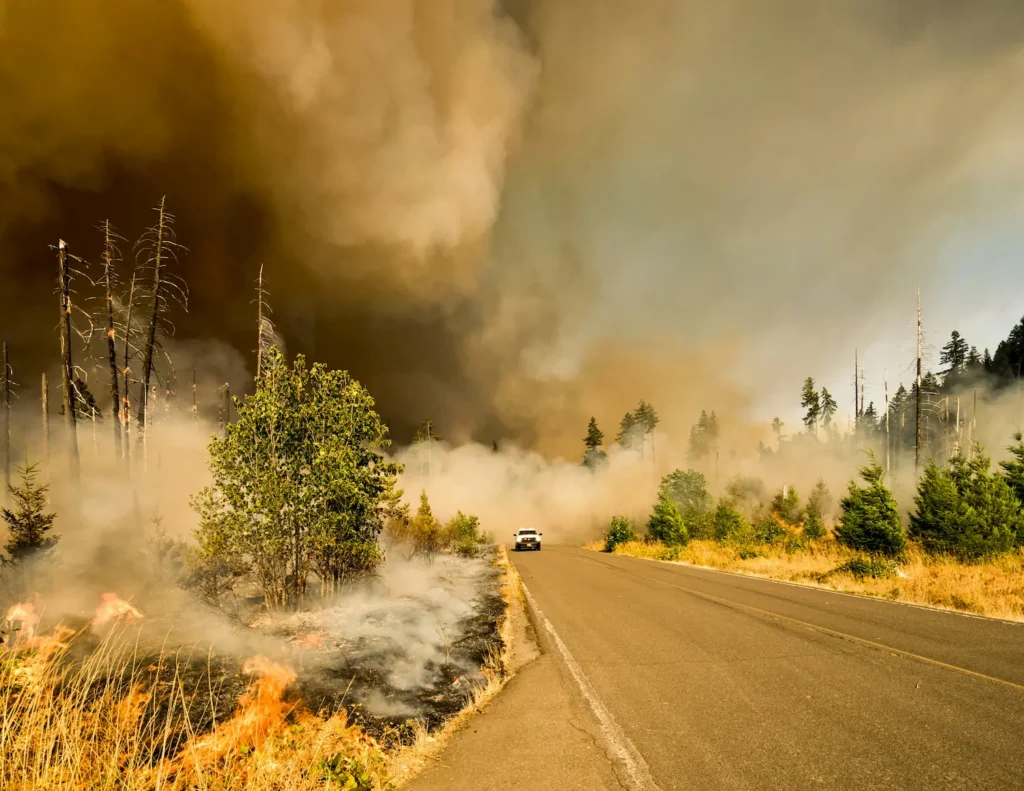
Fires burning since mid-June in western Miami-Dade and the Everglades—along with a blaze that later broke out in Broward—had affected more than 27,000 acres by the time this article was written. Florida Wildfires: A Warning
In one instance, the fire was sparked by a lightning strike during a thunderstorm. Yet, the issue lies not only in how a fire starts but in the conditions that now allow it to spread more rapidly.
Rising global temperatures dry out vegetation, accelerate the evaporation of soil moisture, and prolong periods of drought. Combined with wind and dropping water levels in wetlands, these factors hinder firefighting efforts and fuel larger, more persistent fires.
The consequences extend far beyond ecosystems. Smoke contains fine particles capable of penetrating deep into the lungs, aggravating respiratory and cardiovascular conditions. When combined with extreme heat, this increases the risk of hospitalization, dehydration, and heatstroke—particularly among children, the elderly, and outdoor workers.
Not all wildfires can be avoided, but many can be prevented. Reducing human-caused ignition sources, clearing dry vegetation near homes and infrastructure, and restoring wetlands to preserve their natural water-storage capacity are science-backed measures that strengthen the resilience of our ecosystems.
Science is also clear on another point: rising temperatures are creating conditions that make these events increasingly severe. This does not mean that wildfires did not exist before. This means that, when they do occur, they encounter an environment far more conducive to spreading and causing greater damage.
Prevention, preparedness, and the protection of our ecosystems remain the most effective tools for reducing risk. Every restored wetland, every prevented ignition source, and every better-prepared community represents an investment in a safer future.
Heeding the science and acting decisively today is the best way to protect our communities, our health, and the natural heritage that defines our state’s identity.