
“Juliet the Bachelorette” Puts Hispanic Heritage Onstage
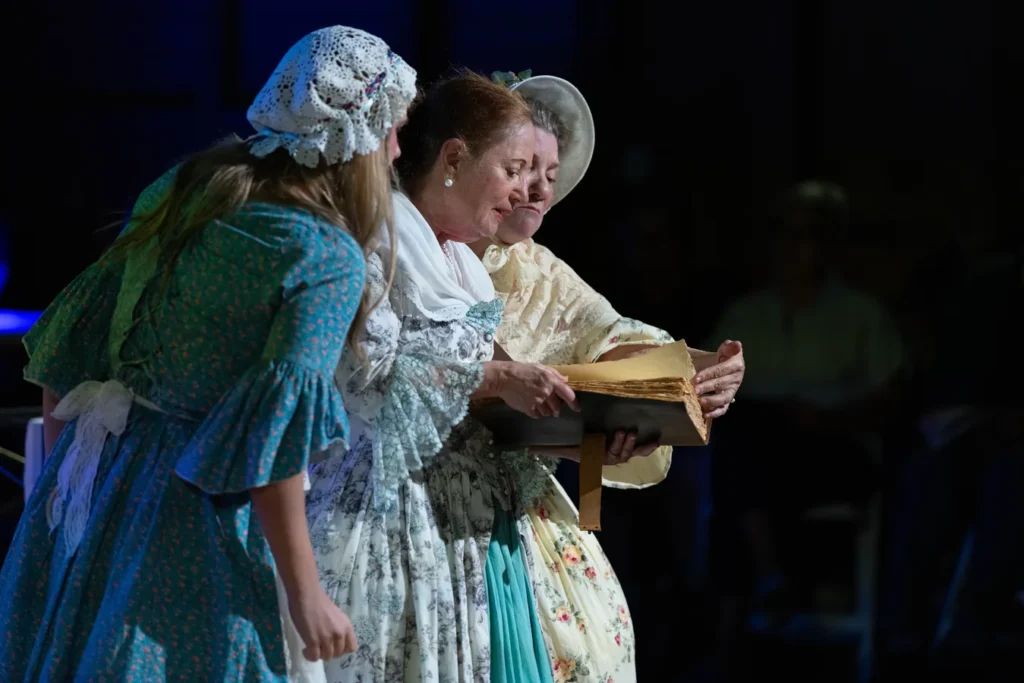
Theater with a Mission (TWAM) has just premiered a new game show called “Juliet the Bachelorette.” Set in St. Augustine during the American Revolution, this fast-moving 20-minute play takes you on a time travel adventure to 1776, where you get to hear the latest news about the Spanish governor of Louisiana Bernardo de Gálvez (he’s just had a secret wedding with the love of his life, a French merchant’s daughter from New Orleans), discover a Spanish version of Romeo & Juliet (it’s by the great poet Lope de Vega), and see how Hispanic people are changing the course of the War for Independence.
People at the premiere praised the new play’s history, variety, and fun. They loved learning how Hispanic heroes supported the USA’s quest for independence, first in secret, and then in battle. They hailed the discovery that Spain’s answer to Shakespeare, Lope de Vega, wrote a radically different version of Romeo & Juliet in 1609 – a version where Juliet uses her wits to defuse the feud and live happily ever after with her Romeo. They eagerly joined in a contest to win roses by making connections between Lope and Shakespeare, Gálvez and British colonists, Patriots and Loyalists.
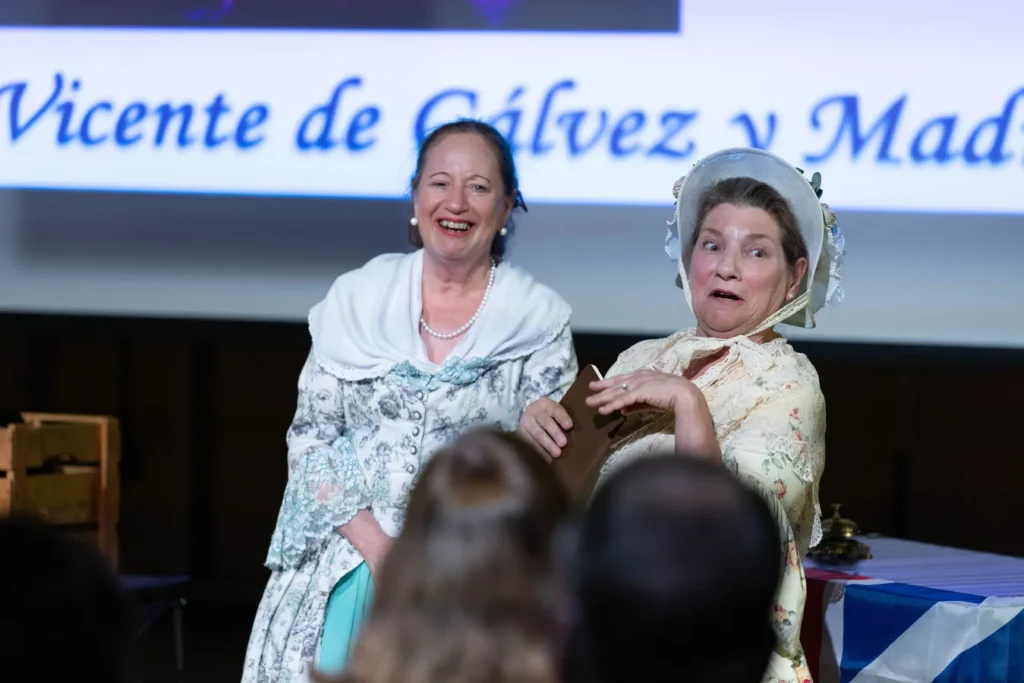
Audiences are applauding the new play’s history because it fills a critical gap in America’s past. Two hundred fifty years after the Declaration of Independence, most folks have forgotten that Spanish-speaking soldiers, diplomats, and colonists played decisive roles in the American Revolution. “Juliet the Bachelorette” repairs that lapse of memory by setting the action on the eve of a state visit from Bernardo de Gálvez, the Governor who transformed French Louisiana into a colony that enthusiastically supported Spain’s goals during the War, and will overthrow British rule in West Florida during the Siege of Pensacola. Historically, Gálvez played a role so pivotal to American independence that the US Congress hung his portrait in the Capitol. In “Juliet the Bachelorette,” people get to rediscover this hero’s remarkable magnetism. Every time the name “Gálvez” is spoken, all three women in the play start to swoon.
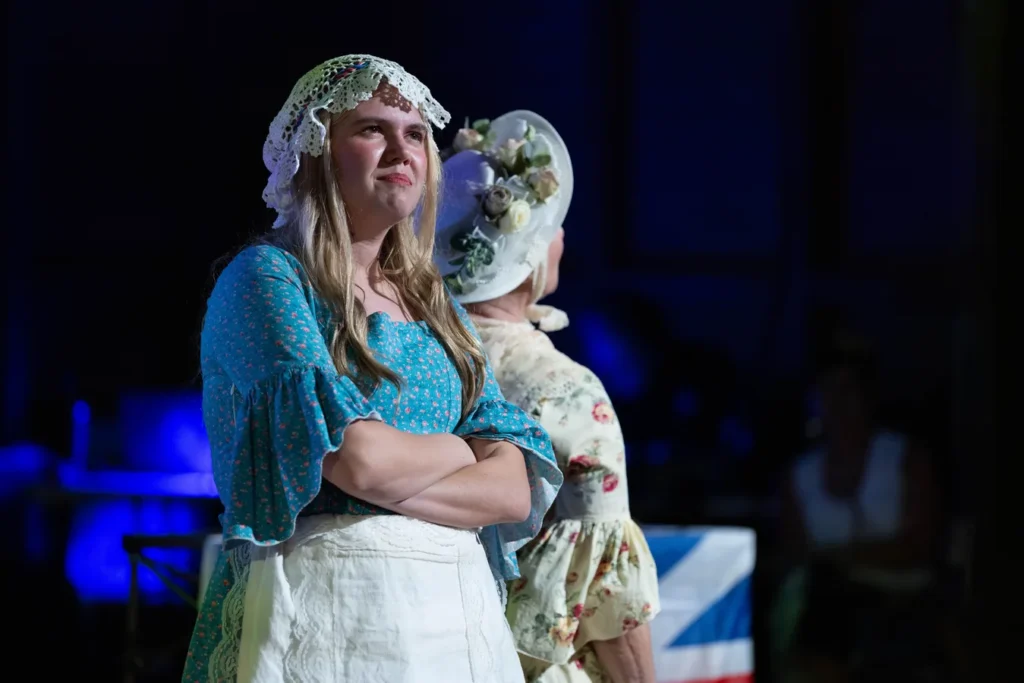
Audiences are loving the new play’s variety because it opens space to see women playing central roles in the Revolution and spotlights Florida’s surprising allegiance to Britain’s King George. All the characters in “Juliet the Bachelorette” are female; two of them are feuding. Dolly Forbes, wife of the Anglican minister, mediates between Nelly Moultrie, wife of British East Florida’s Lieutenant Governor, and her niece Katy Moultrie, a prisoner of war from Patriot South Carolina. As the play unfolds, people get to see contrasting perspectives on the War for Independence through the eyes of real women out of history – women who are Patriots and Loyalists from the same family. Putting women center stage and representing a range of perspectives on the Revolution brings to life new dimensions of our national identity.
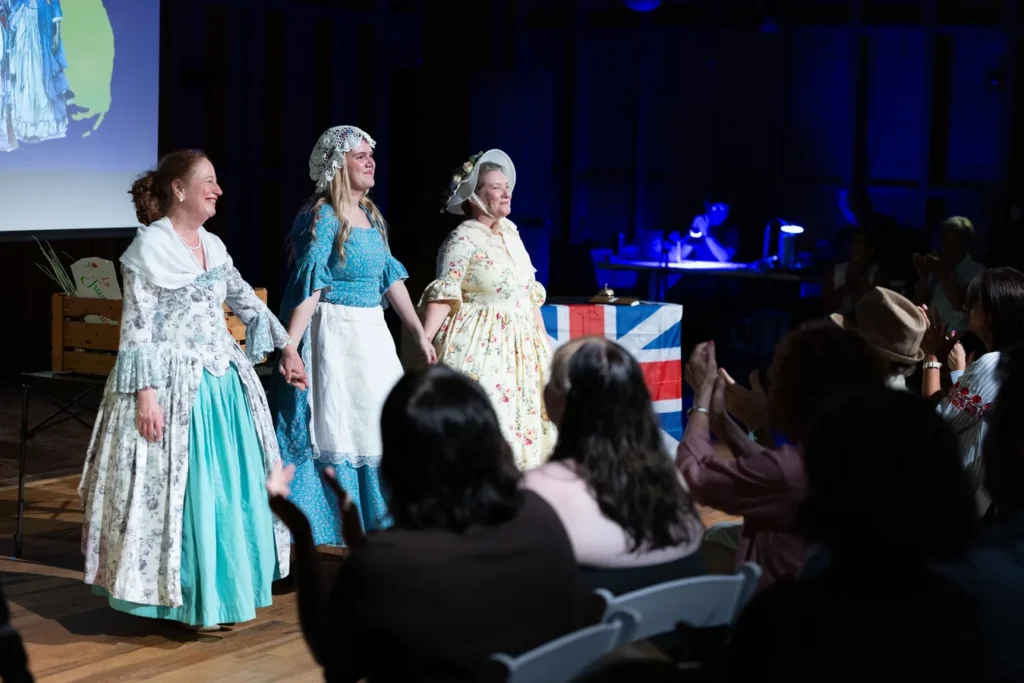
Audiences are talking about how much fun they have during this play because “Juliet the Bachelorette” actively involves people in building bridges between past and future, Spanish and English, Patriot and Loyalist. Citizens who sense deep divisions in our country during an election year are finding relief and reassurance in watching Nelly and Katy Moultrie bridge the distance between their political differences with good old-fashioned family affection. Folks who worry that current culture wars are heading us toward the tragic results of Shakespeare’s Romeo & Juliet are finding delight in the discovery that Lope de Vega’s Juliet defuses the family feud in Castelvines y Monteses. People who enjoy TV game shows are loving how “Juliet the Bachelorette” lets them win beautifully colored silk roses by closely observing Juliet’s first date with Romeo, in Shakespeare and in Lope de Vega, and then remembering the gestures, looks, and gifts – what Spanish speakers in Lope’s time called finezas – that Juliet gives Romeo to show him she’s interested.
“Juliet the Bachelorette” is now available to tour schools, fellowship halls, civic clubs, and festivals. Bring this face-to-face encounter with Hispanic Heritage to your community! Visit TheaterwithaMission.com for details.