
March Is Colon & Rectal Cancer Awareness Month

The Cancer We Can Often Prevent—If We Pay Attention

March 10, 2026

Translated By
Marcos Otero
Reviewed By
Marcos Otero
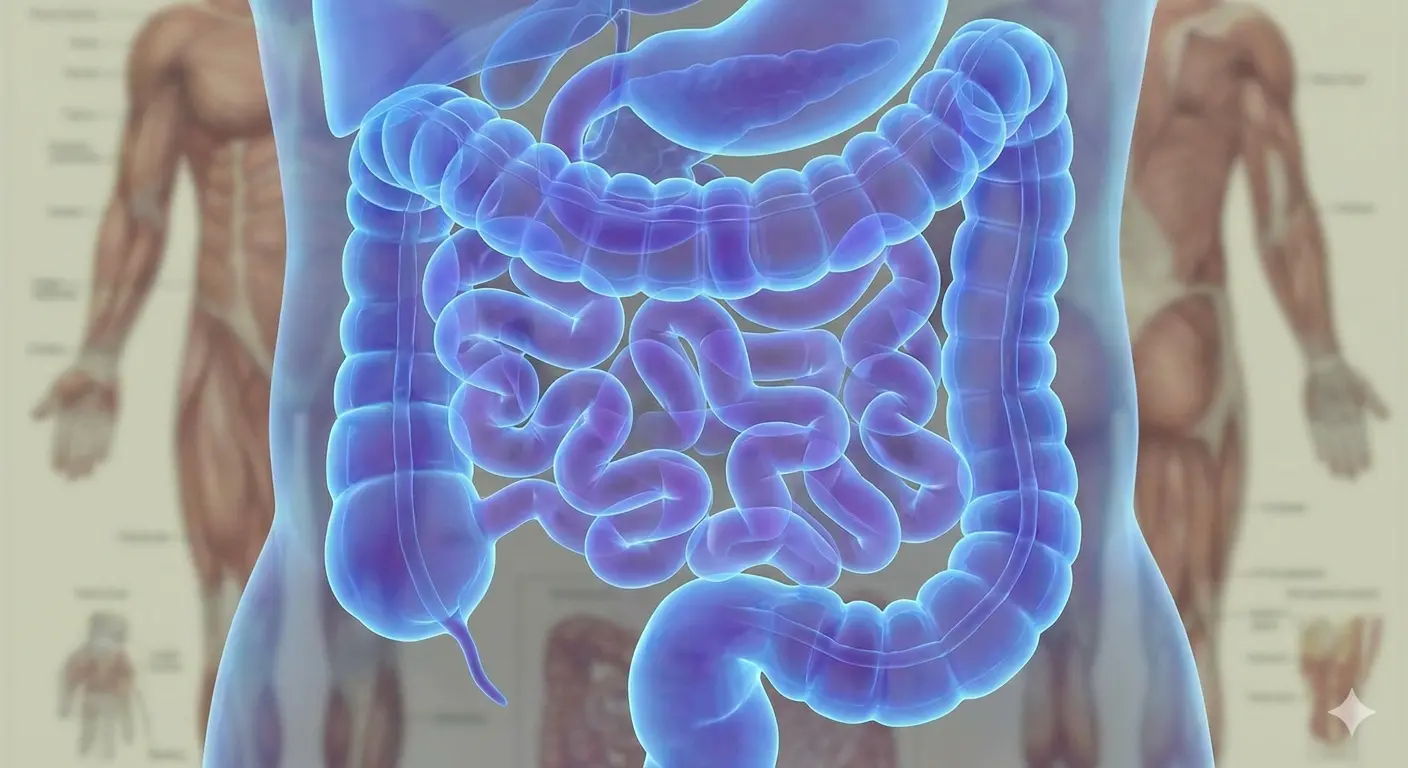
A digital illustration showing the human digestive tract, highlighting the large and small intestines in blue with the stomach visible above them.

What It Is?

El cáncer de colon comienza en el intestino grueso. El cáncer rectal se origina en el recto, la parte final del sistema digestivo. La mayoría comienza como pólipos, pequeñas lesiones que pueden tardar años en volverse cancerosas. Ese tiempo nos da una ventaja enorme: detección temprana.


Why the Diagnosis Is Sometimes Missed

Why Awareness Matters

Colorectal cancer doesn’t usually announce itself loudly in the early stages. No sirens. No flashing lights. Many people feel perfectly fine—until symptoms appear, and by then the disease may be advanced.

That’s why routine screening saves lives. It finds cancer before symptoms start or catches precancerous polyps early enough to remove them completely.

Patient Story

“Carlos’ Story”

Carlos is 52, active, and felt healthy. He had no pain, no family history, and no reason—he thought—to worry. He delayed his colonoscopy because he was “too busy.”

During a routine visit, his provider insisted. The colonoscopy found a large precancerous polyp. It was removed the same day.

Carlos never needed chemotherapy. Never needed surgery. Never missed work.

His words now?
“That test saved my life—and I didn’t even know I was sick.”

Symptoms

Colorectal cancer doesn’t usually announce itself loudly in the early stages. No sirens. No flashing lights. Many people feel perfectly fine—until symptoms appear, and by then the disease may be advanced.

That’s why routine screening saves lives. It finds cancer before symptoms start or catches precancerous polyps early enough to remove them completely.

Risk Factors

You don’t need a family history to be at risk. Factors include:

  • Age 45 and older
  • Family history of colon or rectal cancer
  • Diet high in red or processed meats
  • Low fiber intake
  • Smoking or heavy alcohol use
  • Obesity and lack of physical activity
  • Type 2 diabetes
  • Inflammatory bowel disease

And here’s the curveball: rates are rising in younger adults, which is why screening guidelines now recommend starting at age 45 for average-risk individuals.

Red Flags / When to Seek Urgent Medical Care

Colon and rectal cancer symptoms are often subtle and easy to dismiss:
• Blood in the stool or rectal bleeding
• Changes in bowel habits (diarrhea, constipation, narrow stools)
• Persistent abdominal pain or cramping
• Unexplained weight loss
• Fatigue or weakness
• Feeling that the bowel doesn’t empty completely
If these last more than a couple of weeks, don’t “wait it out.” Get checked.

Prevention and Screening

Screening: The Awkward Test That Saves Lives

Let’s address the elephant in the room. Yes, colonoscopy prep is inconvenient. No, it’s not fun. But it is far less uncomfortable than cancer treatment.

Screening options include:

  • Colonoscopy (gold standard)
  • Stool-based tests done at home
  • Flexible sigmoidoscopy (in some cases)

Your healthcare provider can help choose the best option. The important thing is doing something—not nothing.

Treatment

Treatment Works—Especially When Found Early

When detected early, colorectal cancer has a high survival rate. Treatment may include surgery, chemotherapy, radiation, or a combination. Outcomes improve dramatically with early-stage diagnosis.

Translation: screening doesn’t just save lives—it saves quality of life.

Quick Checklist - What You Can Do Now

¿Qué Puede Hacer Hoy?

  • Conozca su historial familiar
  • Coma más frutas, vegetales y granos integrales
  • Manténgase activo
  • Limite el alcohol y deje de fumar
  • Realícese los exámenes a tiempo
  • Hable del tema sin vergüenza

Summary

Colon and rectal cancer are not topics to whisper about. They’re topics to act on. This March, don’t just be aware. Be proactive.

Action Checklist

Colon & Rectal Cancer Screening Checklist

✔ Age 45 or older
✔ Family history of colon cancer
✔ Blood in stool (even once)
✔ Change in bowel habits lasting >2 weeks
✔ Unexplained weight loss
✔ Fatigue or weakness

➡ If you checked ANY box:
Talk to your healthcare provider about screening.

Medical Disclaimer

Medical Disclaimer – The content is for informational/educational purposes only, not professional medical advice, diagnosis, or treatment. Always remember to consult a doctor, never disregard professional advice, and no doctor-patient relationship is created.

Read our full Medical Disclaimer