For the first day or two, protect the ankle and use relative rest. A cold pack wrapped in cloth may help pain and swelling; use it for short periods rather than placing ice directly on the skin. Compression can help, but the wrap should not cause numbness, color change, or increased pain. Elevating the ankle above heart level may reduce swelling.
Pain relievers are not safe for everyone. Ask a healthcare professional if you have kidney, liver, heart, blood-pressure, ulcer, bleeding, or medication concerns.
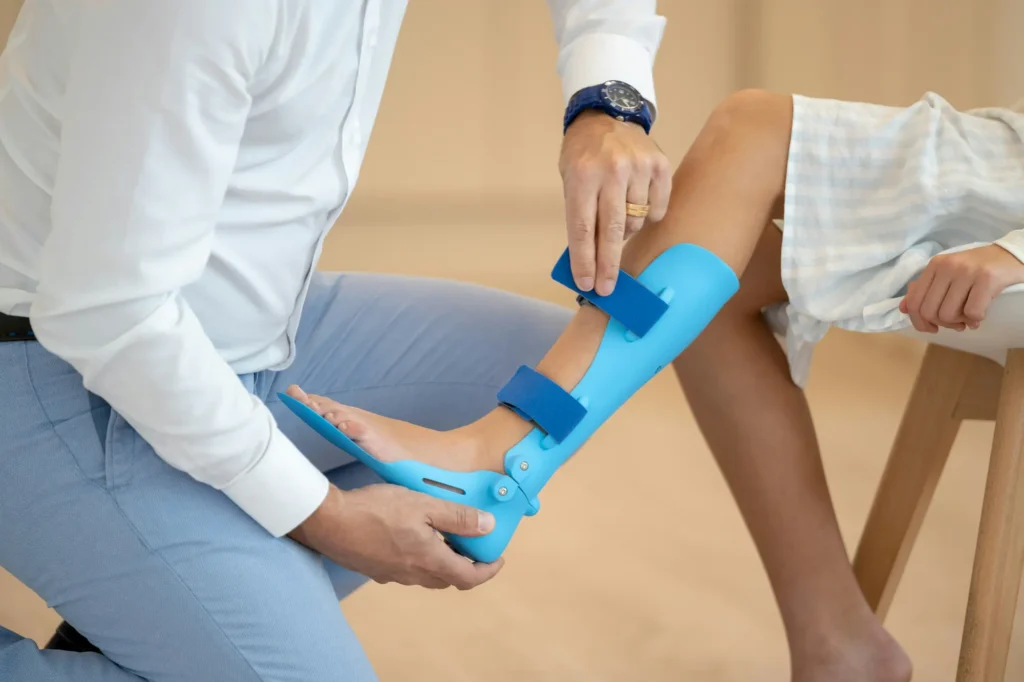
Prolonged complete rest is rarely the finish line. Depending on injury severity, gradual weight-bearing, gentle motion, strengthening, and balance exercises help restore function. A brace or supervised physical therapy may be recommended. Returning to sports should depend on motion, strength, balance, and activity tolerance—not simply the calendar.
To lower future risk, strengthen the lower legs, practice balance, warm up, increase activity gradually, and wear appropriate footwear. An ankle brace may help some people during higher-risk activities, especially after a previous sprain.