THE FUTURE IS CODED: AI as your fingertips and voice align
By Deborah DeSilets, RA, VVAA Inc., Miami Beach FL
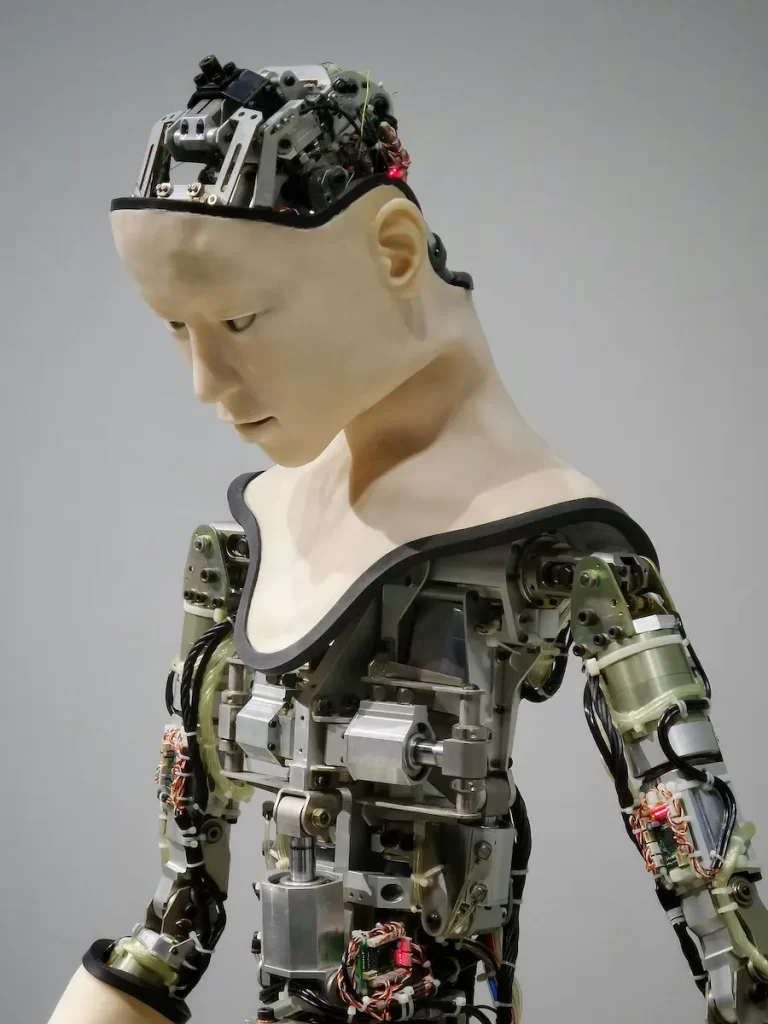
What is the AI “artificial intelligence” identity”? As it exists now it is a multifaceted framework.
Whether it is politicians, educators, tech organizations, businessmen or military organizations each group views AI through its unique lens, but each agree the future is coded. And with this code comes a new language and access to this new language, understanding this new way of communicating is not widely accessible. There will be few leading the many. There exists a pervasive, transformative impact of AI technologies on various aspects of society yet there exists a lack of diversity in the AI field and a growing “AI divide”— a divide between those who have access to AI technologies and those who do not, potentially exacerbating existing inequalities.
The AI field suffers from a lack of diversity among its creators, researchers, and educators. This homogeneity can lead to biases in AI design and implementation, negatively affecting different populations and societies.
The identity of AI is intertwined with societal dynamics that shape identity formation and influence perceptions. Understanding these dynamics is crucial for bridging the AI divide and promoting inclusivity. The identity of AI is intertwined with societal dynamics that shape identity formation and influence perceptions. Understanding these dynamics is crucial for bridging the AI divide and promoting inclusivity. Industry leaders and researchers have raised concerns about AI’s potential to exacerbate social inequities, to the point of suggesting the need for regulation and a pause in certain AI advancements.
Shouldn’t we ask?Who is developing AI? Whose values are reflected in its design? What AI technologies are being produced? How will AI address diverse needs? What are the social, ethical, and psychological implications of AI deployment?
One example of the pervasiveness of AI is in its ability to “ease” our life choices.
Richard Shotton in his book ‘The Illusion of Choice”, explores the behavioral psychology that affects our impression of ads and buying habits. Humans are hard wired for persuasion—and—we have our biases. The holiday season was “really interesting because not only do you have a huge volume of advertising, but you also have brands starting to adopt particular tropes, and [the ads] become interchangeable,” says Shotton. “If many brands are converging on a similar approach, that is an amazing opportunity for others” as we—consumers— feel the reel as revealed in the ad lines by which we are hooked to shop, and that AI has persuaded us to buy.
Along with choices in every key stroke, Stanford University has just experimented on voice to personality recognition using AI with 85% accuracy. Yes, our voice inflictions and our simple keyboard strokes are AI’s access to you. Beyond the screen is a dark mirror of you. Be careful it doesn’t own you; and as a precaution be sure to use good manners—be accurate and polite it’s learning you by every keystroke and tone. In the end, is it that the nice guy finishes first in AI? Yes, if we do AI right now.