
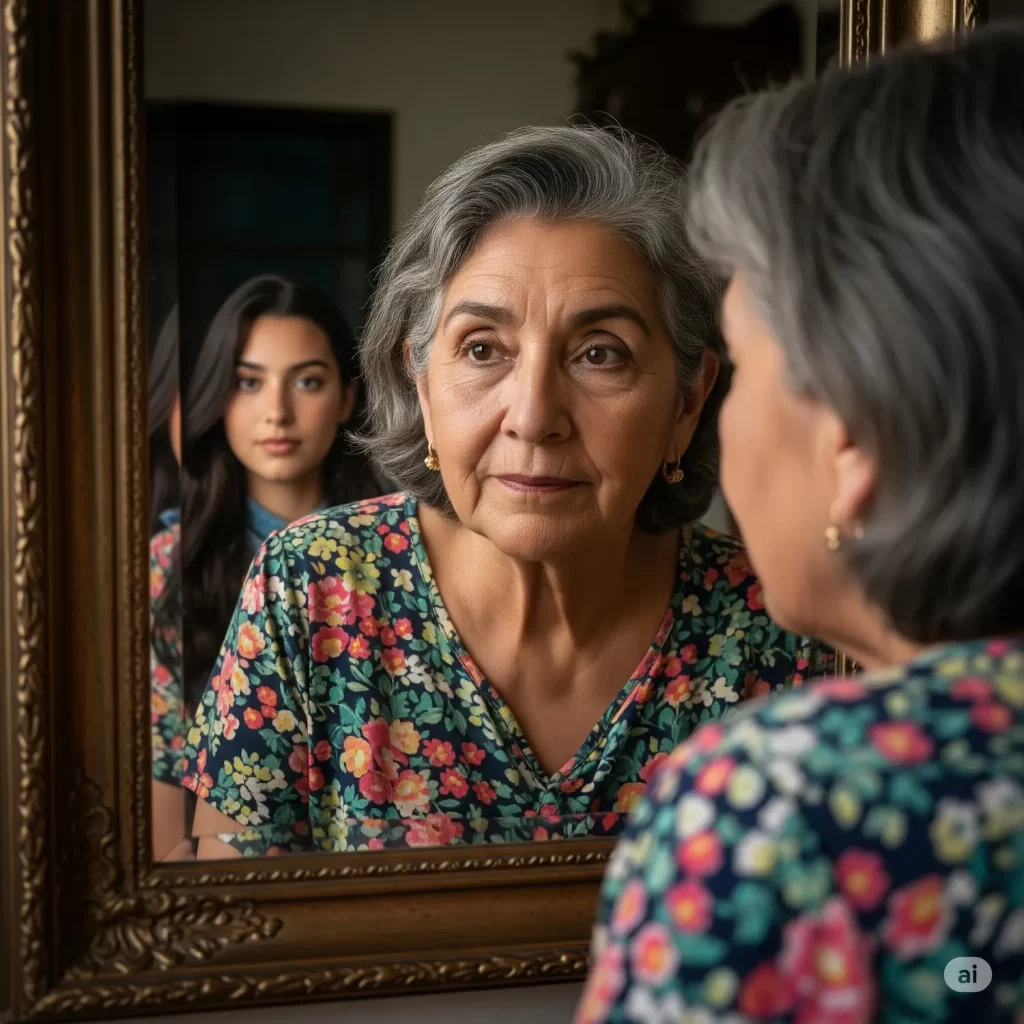
“When Did I Get Old?” — The Truth About Skin and Aging
Written by: Marcos Otero, Retired Physician Associate
You’re brushing your teeth one morning, minding your business, when you glance in the mirror and suddenly think:
“When did I get old?”
That tiny wrinkle near your eye? The sag that wasn’t there yesterday? Maybe a mysterious age spot that seems to have landed overnight like a surprise guest? Welcome to the very human experience of skin aging—a slow, sneaky process that makes itself known at the most inconvenient times.
Let’s explore what’s really happening under your skin, why it changes, and what you can (and can’t) do about it.
What Happens to Our Skin as We Age?
Your skin is your largest organ—think of it as your body’s outer armor. But even armor gets worn down.
Three main layers of your skin go through changes over time:
- Epidermis (top layer): Becomes thinner, dryer, and more fragile. You may bruise more easily or notice rough patches.
- Dermis (middle layer): Loses collagen and elastin—the stuff that gives skin its bounce and firmness.
- Subcutaneous fat (bottom layer): Shrinks, making skin look loose or saggy. That “sunken” look in cheeks? Yep, it’s from this layer getting quieter with age.
Why Does This Happen?
Aging skin is part nature, part nurture:
- Chronological aging: Blame your birthday. As we age, cell turnover slows, oil production drops, and skin loses elasticity.
- Sun exposure (photoaging): The sun is both friend and frenemy. UV rays break down collagen, speed up wrinkling, and cause dark spots (aka “liver spots,” though your liver had nothing to do with it).
- Lifestyle: Smoking, stress, poor sleep, and a diet high in sugar or processed foods are all skin saboteurs.
The “When Did I Get Old?” Skin Checklist
These signs don’t show up overnight—but once you notice them, they’re hard to ignore:
✅ Fine lines and wrinkles
✅ Dryness or itching
✅ Uneven tone or dark spots
✅ Sagging or “crepey” skin
✅ Thinning skin or easy bruising
✅ Slower healing from cuts or scrapes
Myths, Miracles, and Moisturizers
Let’s bust some common beliefs:
- Myth: “If I just use the right cream, I can reverse aging.”
? Truth: No cream erases time, but moisturizers and retinoids can improve texture and reduce appearance of fine lines. - Myth: “Expensive skincare is better.”
? Truth: Some drugstore products are just as effective as luxury ones—look for active ingredients like retinol, vitamin C, or hyaluronic acid. - Myth: “Sunscreen is only for the beach.”
? Truth: Daily sunscreen (yes, even on cloudy days!) is one of the best ways to prevent future wrinkles and spots.
Can We Age Gracefully? Absolutely.
Aging is not a disease—it’s a privilege. And while we can’t stop the clock, we can choose how we live with it.
Tips for Better Skin at Any Age:
? Wear SPF 30+ daily
? Eat colorful fruits & veggies (they fight free radicals!)
? Hydrate inside and out
? Sleep 7–9 hours
? Skip the cigarettes
? Smile often—smile lines are proof of a life well lived
Final Thoughts: Wrinkles Are Not Weakness
Yes, that mirror can feel cruel sometimes. But aging skin tells a story—of sun-drenched days, laughter, resilience, and yes, even stress. Your skin has carried you through it all.
So the next time you catch your reflection and whisper, “When did I get old?”—know this:
You didn’t get old.
You grew.
And your skin? It’s just writing your biography in tiny, honest lines.