Colon and rectal cancer—often grouped together as colorectal cancer—is one of the most common cancers in adults. Here’s the good news: it’s also one of the most preventable. The bad news? Too many people avoid talking about it, avoid screening, and avoid the signs—until it’s too late.
Let’s change that.
What Is Colon and Rectal Cancer?
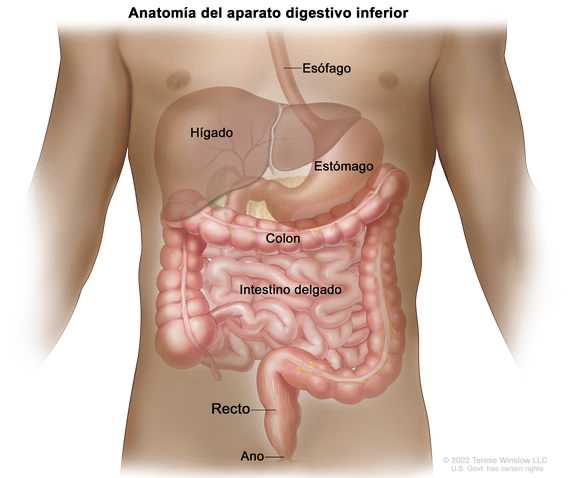
Colon cancer starts in the large intestine (colon). Rectal cancer begins in the rectum, the last several inches of the digestive tract. Most colorectal cancers start as polyps—small growths inside the colon. These polyps can sit quietly for years before turning cancerous. That long timeline gives us a powerful advantage: early detection.
Why Awareness Matters
Colorectal cancer doesn’t usually announce itself loudly in the early stages. No sirens. No flashing lights. Many people feel perfectly fine—until symptoms appear, and by then the disease may be advanced.
That’s why routine screening saves lives. It finds cancer before symptoms start or catches precancerous polyps early enough to remove them completely.
Who Is at Risk?
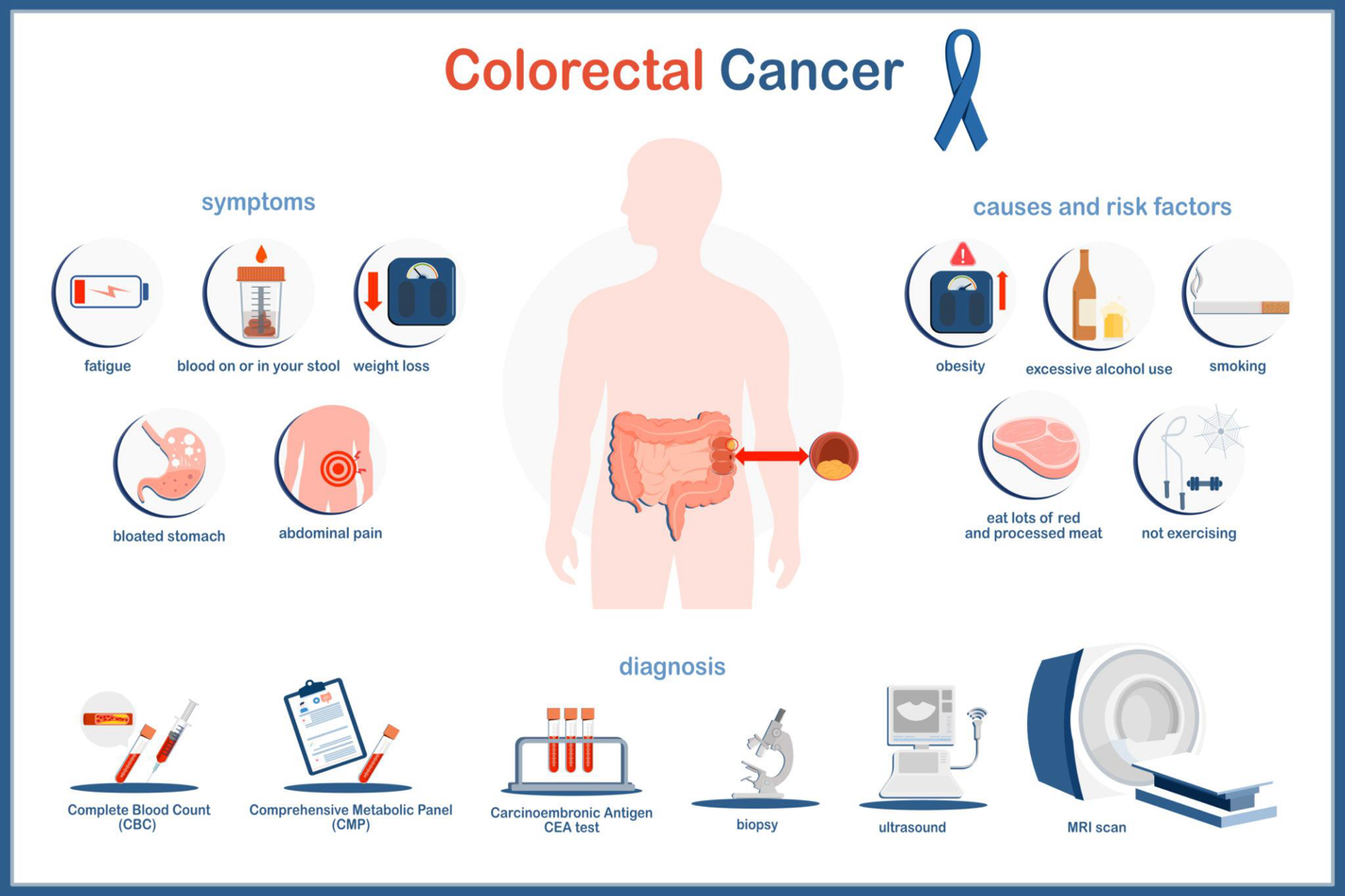
You don’t need a family history to be at risk. Factors include:
- Age 45 and older
- Family history of colon or rectal cancer
- Diet high in red or processed meats
- Low fiber intake
- Smoking or heavy alcohol use
- Obesity and lack of physical activity
- Type 2 diabetes
- Inflammatory bowel disease
And here’s the curveball: rates are rising in younger adults, which is why screening guidelines now recommend starting at age 45 for average-risk individuals.
Warning Signs You Shouldn’t Ignore
Colon and rectal cancer symptoms are often subtle and easy to dismiss:
- Blood in the stool or rectal bleeding
- Changes in bowel habits (diarrhea, constipation, narrow stools)
- Persistent abdominal pain or cramping
- Unexplained weight loss
- Fatigue or weakness
- Feeling that the bowel doesn’t empty completely
If these last more than a couple of weeks, don’t “wait it out.” Get checked.
Screening: The Awkward Test That Saves Lives
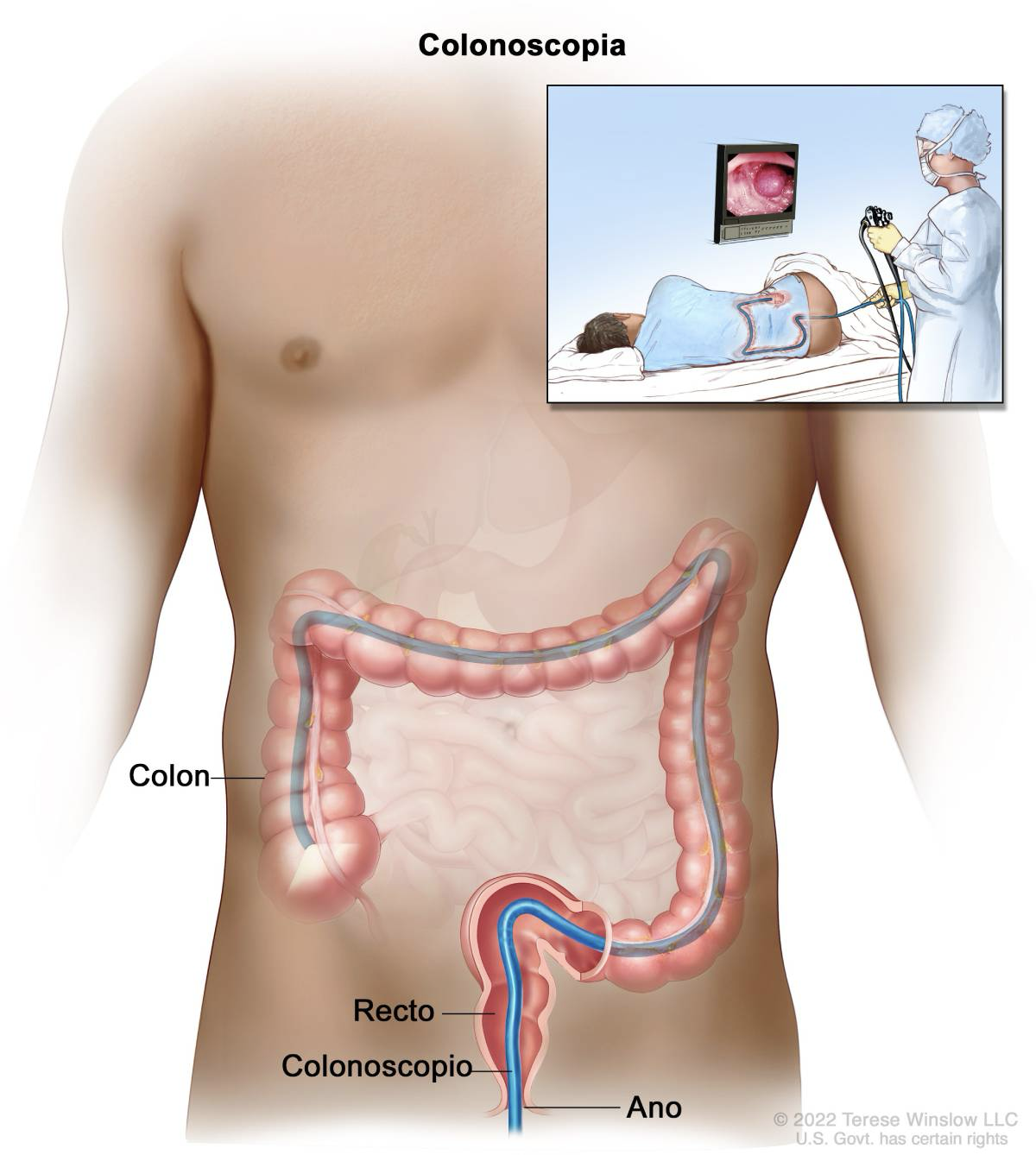
Let’s address the elephant in the room. Yes, colonoscopy prep is inconvenient. No, it’s not fun. But it is far less uncomfortable than cancer treatment.
Screening options include:
- Colonoscopy (gold standard)
- Stool-based tests done at home
- Flexible sigmoidoscopy (in some cases)
Your healthcare provider can help choose the best option. The important thing is doing something—not nothing.
Treatment Works—Especially When Found Early
When detected early, colorectal cancer has a high survival rate. Treatment may include surgery, chemotherapy, radiation, or a combination. Outcomes improve dramatically with early-stage diagnosis.
Translation: screening doesn’t just save lives—it saves quality of life.
What You Can Do Right Now
- Know your family history
- Eat more fiber (fruits, vegetables, whole grains)
- Move your body regularly
- Limit alcohol and stop smoking
- Get screened on time
- Talk openly—yes, even about poop
Colon and rectal cancer are not topics to whisper about. They’re topics to act on.
This March, don’t just be aware. Be proactive.