
Rates in Florida: Temporary Relief and Further Increases
In January, Duke Energy Florida implemented a slight reduction in bills, but the relief was short-lived: in February, the Florida Public Service Commission approved a temporary $1.1 billion surcharge to cover the costs of the 2024 hurricanes, effective through 2026. This amounts to about $21 more per month per customer.
In July, Florida Power & Light (FPL) proposed new rates that, if approved, would raise the typical bill from $134 in 2025 to $142 in 2026, with gradual increases to $152 in 2029.
Extreme Heat: Air Conditioning as a Health Issue
These rate swings coincide with historic heat waves. In July, Tampa recorded its first 100°F day since 1890, and in many southern cities, heat indices, which combine temperature and humidity, exceeded 105°F.
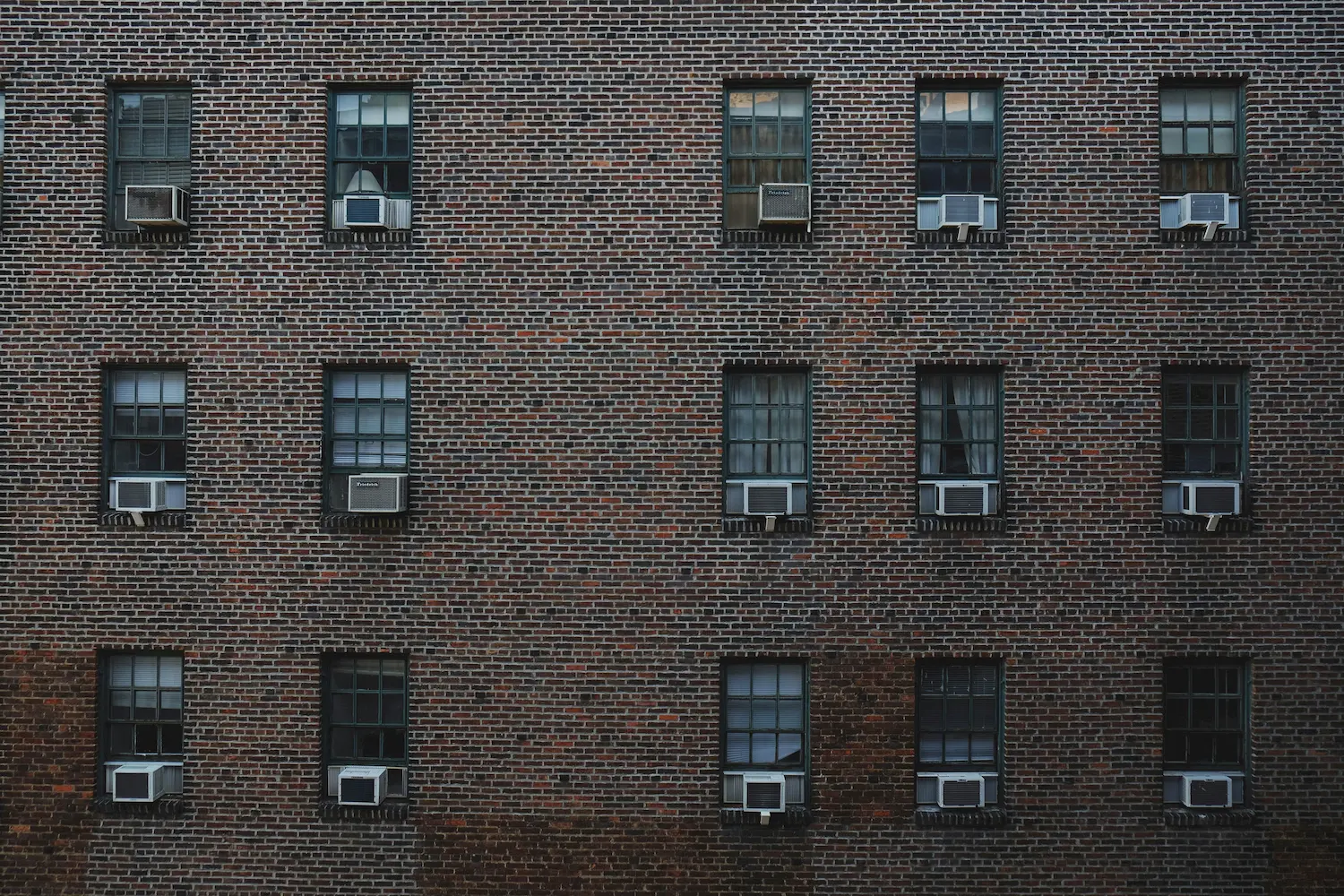
In this context, air conditioning becomes a vital necessity. A University of Miami study documented homes with internal temperatures exceeding 100°F for weeks and cases where up to a third of household income is spent on electricity to keep the home habitable.
Heat inside the home: When the law doesn’t protect tenants
When Carolina Castro’s apartment wall air conditioner stopped working, she and her teenage son spent three weeks enduring the heat without a solution. The building’s management refused to repair it and suggested she move. When she approached local authorities, they told her there was nothing they could do since it was a private contract.
The only response was to install a split-type system, but in exchange for a $200 monthly rent increase. “The lack of air conditioning disrupts family dynamics, health, mood, and quality of life,” Castro summarizes.
The new law and the future of clean energy
H.R. 1, known as the One Big Beautiful Bill Act and signed by Trump on July 4, 2025, accelerates the elimination of tax credits created by the Inflation Reduction Act (IRA), passed in 2022 under the Biden administration.
The IRA was the largest climate investment package in the nation’s history, with $437 billion earmarked for clean energy, efficiency, and electric vehicles. In Florida, these incentives were estimated to reduce energy costs by about $61 per household per year by 2030, in addition to boosting jobs and reducing pollution.
With H.R. 1, much of these credits are being phased out early. Families planning to install solar panels, upgrade their air conditioning, or switch to an electric car will no longer have the same discounts.
Homes like greenhouses in Miami-Dade County
The University of Miami study, published in One Earth in March 2025, warns of the convergence of two risks: higher bills and dangerously hot homes.
“Some homes are like greenhouses: hotter inside than outside,” explained Lynée Turek-Hankins, lead author. The report found that even middle-class households struggle to afford air conditioning, especially in poorly insulated homes or those with outdated equipment.
Voices of Alarm
From Congress, Latino leaders have warned that the new law hits vulnerable communities hard. “This law is a betrayal and a brutal assault on working families,” said Congressman Adriano Espaillat.
When Paying for Electricity Is Impossible
Another mother in Miami, who asked not to be identified, recounted that this summer she couldn’t pay her electric bill and decided to turn off the air conditioning. With two young children, she chose to prioritize medicine and food. To cope with the heat, they spent hours in public libraries looking for a cool spot. “It was the only way to cool off without increasing our electricity bills,” she said.
A Hotter, More Expensive Future
The University of Miami study concludes that, as heat waves intensify, more households will face the choice of exposing themselves to dangerous temperatures or burdening themselves with unaffordable bills.
“This type of study underscores the need for comprehensive legislation to protect Florida homes from extreme weather events,” said Maria Claudia Schubert-Fontes of Catalyst Miami.
Meanwhile, the political debate in Washington leaves millions of Latino families on the front lines of an energy and climate crisis they did not choose: the inability to afford a basic right: to stay cool and healthy.