

Cancer: The Silent Visitor
Written by: Marcos Otero, Retired Physician Associate
Introduction
Cancer. Just the word makes people nervous. For Hispanics, it’s a reality we can’t ignore: cancer is the leading cause of death in our community. Some types—like liver, cervical, and stomach cancer—show up more often in Hispanic populations than in others. But here’s the twist: many of these can be caught early or even prevented.
Why Our Community Is More at Risk
- Screenings: Many Hispanics skip regular check-ups. Sometimes it’s money, sometimes it’s fear, sometimes it’s “mañana.”
- Infections: Higher rates of hepatitis and H. pylori increase the risk of liver and stomach cancers.
- Cervical Cancer: Hispanic women are twice as likely to die from it, often due to limited access to Pap smears.
- Language and Culture: Talking about cancer is taboo in some families—“if we don’t say it, maybe it won’t happen.”
Common Signs (That We Shouldn’t Ignore)
Cancer is tricky—it doesn’t always announce itself. But some red flags include:
- Unexplained weight loss
- Persistent cough or hoarseness
- Blood where it shouldn’t be (urine, stool, coughing)
- Lumps or sores that don’t heal
- Changes in skin or moles
If these sound scary, good—they should. But being scared into action is better than being silent into regret.
The Hope: Prevention & Early Detection
This is where we fight back:
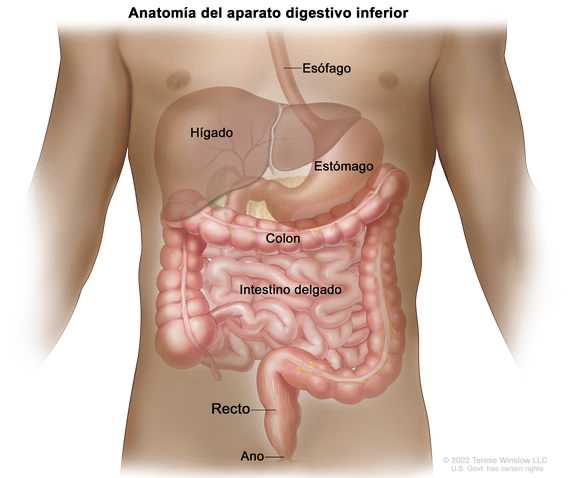
- Screenings save lives: Pap smears, mammograms, colonoscopies—uncomfortable, yes, but worth it.
- Vaccines: HPV vaccines prevent cervical and throat cancers. Hepatitis B vaccines reduce liver cancer risk.
- Healthy habits: Smoking, heavy drinking, and obesity raise cancer risks. Cutting down makes a difference.
- Family talk: Ask about relatives who had cancer—it helps doctors understand your risk.
The Cultural Angle
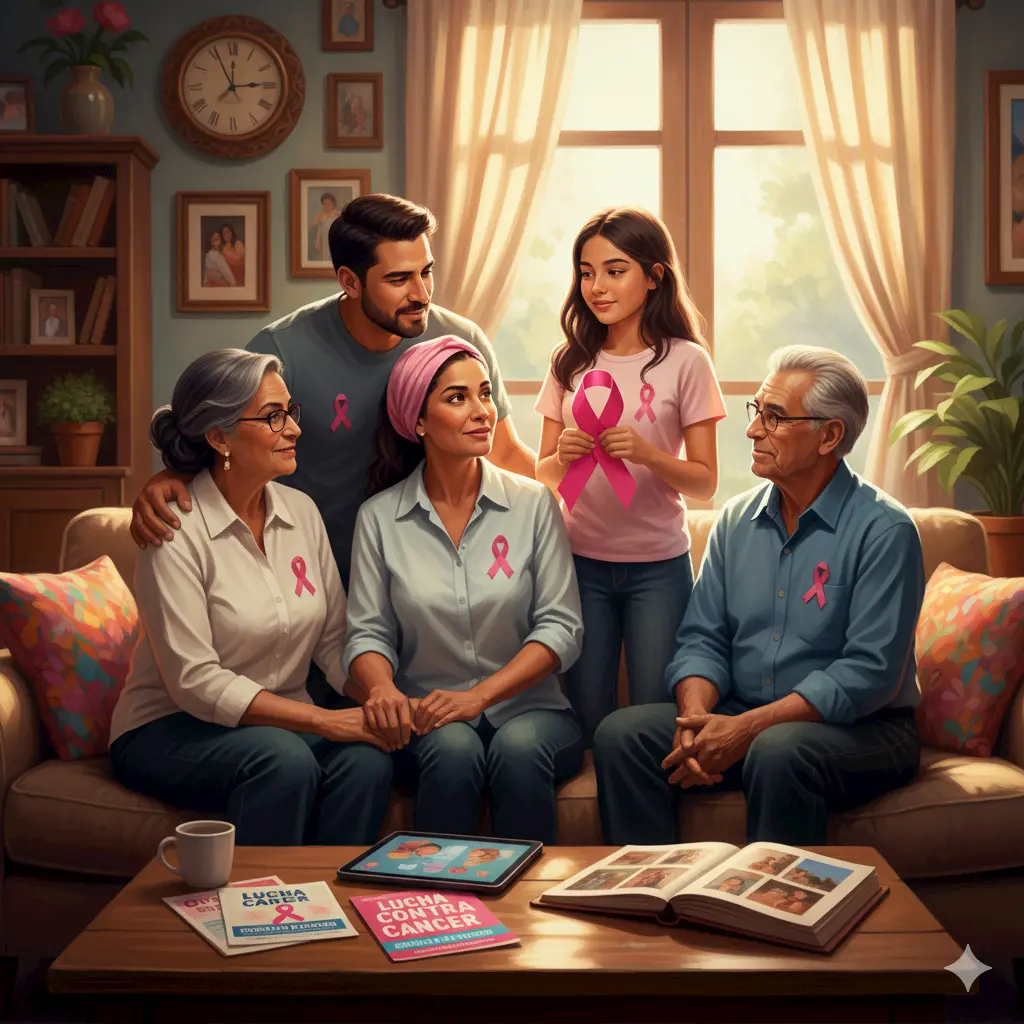
In Hispanic families, we don’t like talking about “bad news.” But silence is dangerous. Sharing health information is an act of love. Encouraging mamá to get her mammogram or papi to do his colonoscopy is as caring as cooking their favorite meal.
Closing Thoughts
Cancer doesn’t have to be a death sentence. With prevention, early detection, and honest conversations, we can rewrite the story. Let’s make sure our traditions, laughter, and music outlive the “silent visitor.” Because the only thing we should be passing down to future generations is culture—not cancer.