
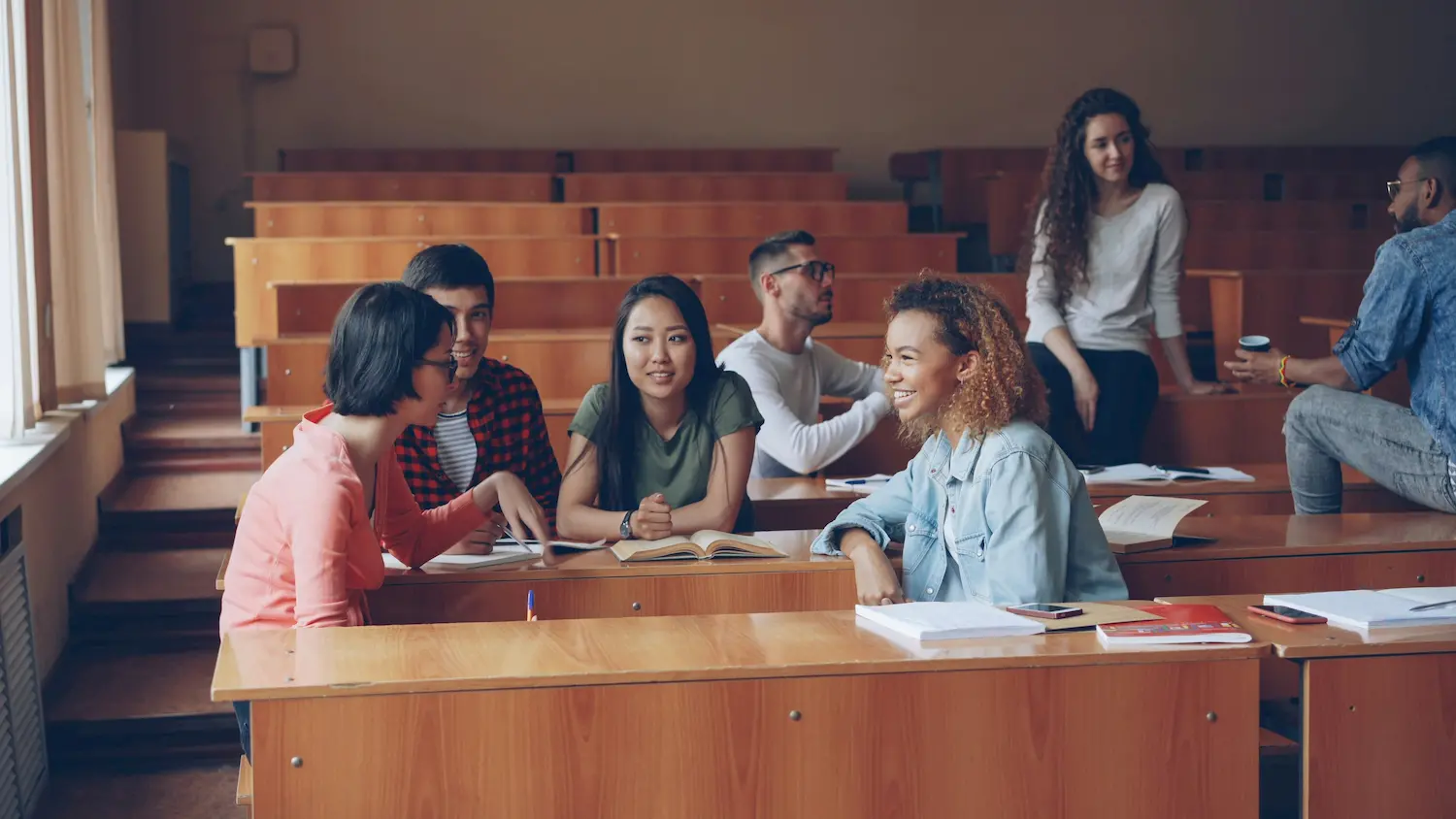
Teach Peace in School Environments
By Sher Graham
Creating a peaceful school environment involves fostering empathy, active conflict resolution, and mutual respect among students and staff.
Key actions include declaring classrooms “peace zones” with agreed-upon rules, introducing mindfulness, using restorative justice, and empowering students to lead, reducing bullying, and enhancing emotional regulation.
Share these “Ten Steps to Create Peace in Your Children’s Schools” with your school principals, teachers, or Parent Teacher Association to consider implementing in the next school year:
1. Declare Peace Zones: Establish classrooms as “peace zones” with clear, positively phrased ground rules created and signed by students to foster accountability. (Montessori for Everyone)
2. Teach Conflict Resolution: Train students in active listening and negotiation, using tools like “talking sticks” to ensure everyone gets a turn to speak without interruption. (Montessori for Everyone)
3. Implement a “Cozy Corner”: Set up a dedicated “Cozy Corner” or “Peace Corner” with calming items (e.g., books, worry balls) for students to self-regulate when overwhelmed. (Montessori for Everyone)
4. Practice Mindfulness: Introduce mindfulness and meditation, which can significantly reduce suspensions, improve attendance, and boost academic performance. (The Peace Alliance)
5. Use Restorative Justice: Move away from punitive measures and focus on restorative justice, which repairs harm and rebuilds trust after conflicts. (The Peace Alliance)
6. Encourage Empathy through Role-Playing: Act out scenarios involving common playground or classroom conflicts to help students practice empathetic, peaceful solutions. (Montessori for Everyone)
7. Incorporate Student Voice: Involve students in creating school rules and organizing projects to give them a sense of being seen and heard, reducing resentment and injustice. (Harvard Graduate School of Education)
8. Promote Positive Language: Actively teach students to use respectful, non-violent communication, encouraging positive story-sharing. (NAEYC)
9. Foster Community Play: Provide ample, unstructured time for imaginative, self-directed play, which helps children work through emotions and build social skills. (reGeneration Education)
10. Model Peacefulness: Teachers and staff should model calm behavior, co-regulating with upset students rather than just issuing punishments. (Peaceful Parent Happy Kid)
The more we learn, the more we share, the more we advocate, the more we speak up – Change happens. Peace Happens.