Maria and the Mystery of the Missing Energy — A Thyroid Story
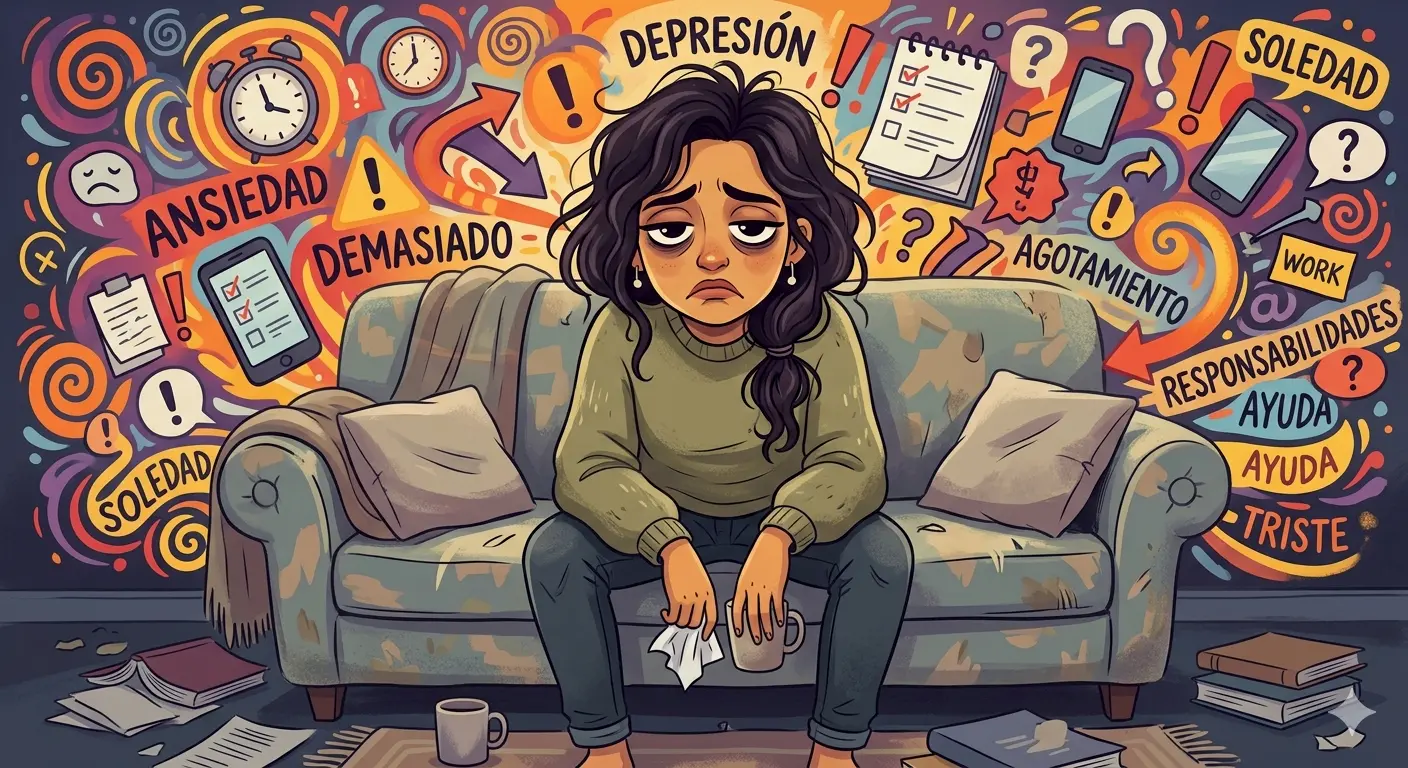
Maria has always been the kind of woman who never sits still. She works full-time, helps with the grandkids, keeps the household running, and somehow still finds time to cook for half the neighborhood. So when she started feeling tired, she assumed it was normal. But this was no ordinary tired. This was bone-deep exhaustion, the kind that makes waking up feel like climbing a mountain before coffee.
At the same time, little changes were piling up. Her hairbrush was filling faster than usual. Her skin felt dry no matter how much lotion she used. She was gaining weight, even though nothing in her diet had changed. Worst of all, she was always cold. She wore sweaters in rooms where everyone else felt fine. “Must be age,” she told herself. “Must be stress.”
“Fatigue is a message. Your body whispers long before it screams.”
Eventually, Maria did what millions of people do. She searched online. Five minutes later, the internet convinced her that she had every disease known to humankind. Thankfully, her doctor was calmer than Google. At her appointment, the doctor listened carefully, examined her neck, and ordered bloodwork. A few days later, the answer arrived: hypothyroidism.
The thyroid is a small butterfly-shaped gland in the neck, but don’t let the size fool you. It helps regulate metabolism, energy, temperature, heart rate, digestion, and mood. When it under-produces hormone, everything slows down. Thinking slows. Digestion slows. Hair growth slows. Life itself feels like slow-motion. Suddenly, every symptom Maria had been experiencing made sense.
She started a small daily pill that replaced the hormone her thyroid wasn’t making. It wasn’t magic. It didn’t work overnight. But slowly, week by week, the fog lifted. Her energy crept back. Her mood improved. Her hair stopped abandoning ship. Even the bathroom scale became friendlier. Best of all, she began to recognize herself again.
Common symptoms of hypothyroidism may include:
• Fatigue
• Weight gain
• Dry skin and hair loss
• Depression or brain fog• Constipation
• Feeling unusually cold
• Slowed heart rate
• Irregular periods
Many people walk around with thyroid disease without knowing it. They blame aging, parenting, stress, or life. But when the body changes slowly and stubbornly, it deserves attention. There is also the opposite problem: hyperthyroidism, when the thyroid produces too much hormone. That can cause anxiety, sweating, rapid heartbeat, diarrhea, tremors, weight loss, and difficulty sleeping. Same gland, different issue.
The good news? Most thyroid problems are highly treatable. Blood tests are simple. Medication works. And life can improve dramatically with the right care. Maria now jokes that her thyroid went on permanent vacation and left a pill to cover her shift. Beneath the humor is gratitude. She listened to her body instead of trying to “push through.”
“If your body changes in ways you can’t explain, don’t ignore it.”
Her advice to others is simple and real. If you feel slower, heavier, foggier, colder, sadder, or more exhausted than usual, ask your provider about your thyroid. Don’t assume it’s stress. Don’t assume it’s aging. And definitely don’t wait until Google tells you you’re doomed. If you already have thyroid disease, follow-up labs matter. Medication doses are unique, like shoes. One size never fits everyone.
There’s also an emotional side to thyroid disease that rarely gets discussed. When energy disappears, people sometimes blame themselves. When weight changes, shame creeps in. When the mind feels foggy, confidence suffers. Understanding the thyroid can replace guilt with answers — and answers bring hope.
When should you talk to your doctor?
• New or worsening fatigue
• Unexplained weight change
• Hair loss or brittle hair
• Depression or mood changes
• Feeling cold when others are not
• Rapid heartbeat or anxiety
• Swelling in the neck
Maria’s story reminds us that health problems don’t always shout. Sometimes they whisper. Sometimes the body taps you on the shoulder gently for months before insisting you pay attention. Self-care doesn’t just mean rest and relaxation. Sometimes it means lab tests, uncomfortable honesty, and listening to your body even when life is busy.
Today Maria is back to juggling grandkids, work, cooking, and laughter. But this time she does it with more awareness — and with a tiny tablet taken each morning beside her coffee. She is grateful for the doctor who listened, the tests that explained the mystery, and the medication that helped her reclaim her life.
And now, she gently reminds friends and family — especially those who shrug off symptoms — that strength doesn’t mean pushing through. Sometimes strength means speaking up.
“Self-care isn’t selfish. Sometimes, it’s a doctor’s appointment.”
The thyroid may be small, but its job is mighty. When it struggles, the whole body feels it. But with the right care, life doesn’t just go back to “normal.” It becomes clearer, lighter, and far more hopeful.
If your body feels different and the change won’t go away, don’t ignore it. Your thyroid may be trying to get your attention — kindly, quietly, and persistently.
Want to learn more about thyroid conditions? Read our companion article, “Thyroid Trouble? The 5 Most Common Thyroid Problems Explained Simply,” and share this story with someone who might need it.