
Marzo es el Mes de Concienciación sobre el Cáncer de Colon y Recto:

Un Cáncer que Muchas Veces se Puede Prevenir

10 de marzo de 2026

Translated By
Marcos Otero
Revisión médica por:
Marcos Otero
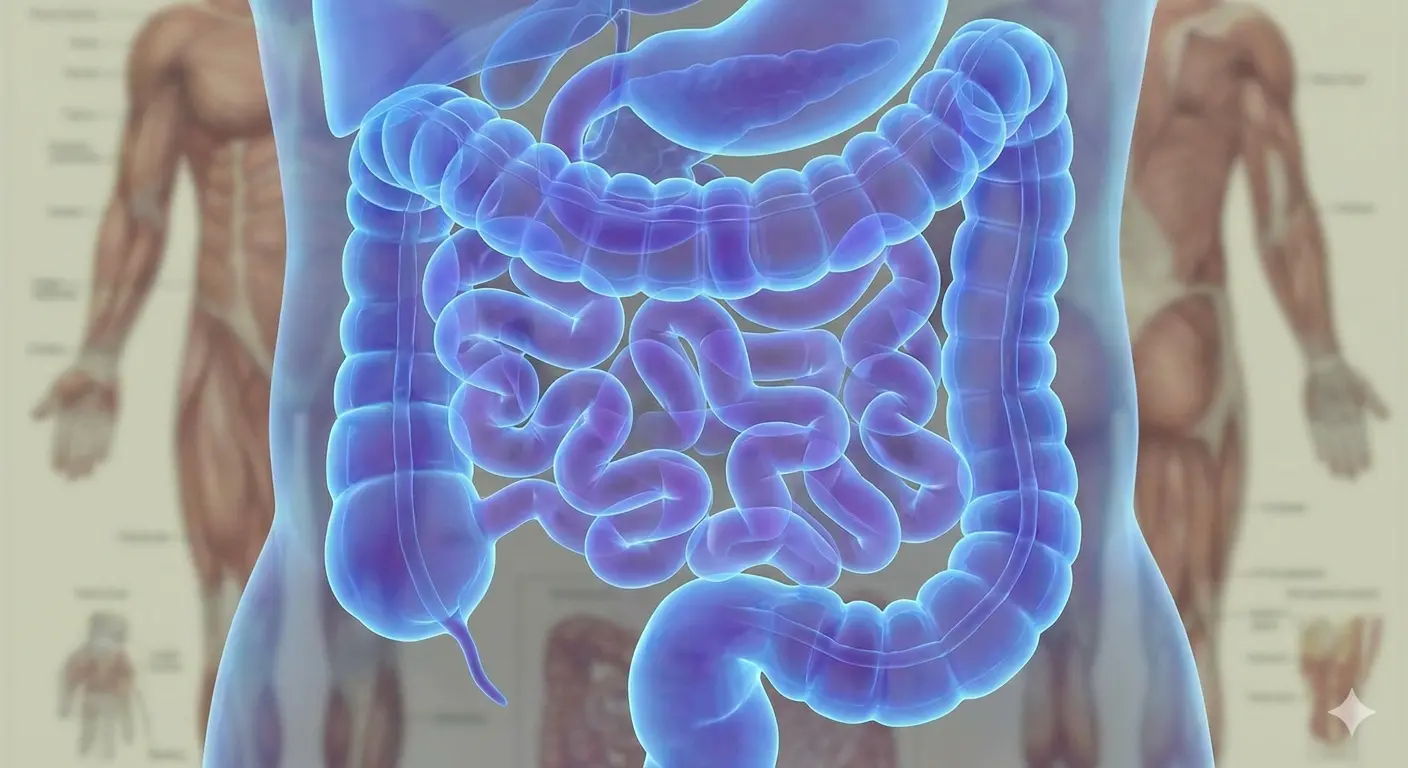
A digital illustration showing the human digestive tract, highlighting the large and small intestines in blue with the stomach visible above them.

Introducción

El cáncer de colon y recto—conocido como cáncer colorrectal—es uno de los cánceres más comunes en adultos. La buena noticia es que también es uno de los más prevenibles. La mala noticia es que muchas personas evitan hablar del tema, evitan los exámenes y evitan las señales… hasta que ya es tarde. Eso tiene que cambiar.

Qué es

El cáncer de colon comienza en el intestino grueso. El cáncer rectal se origina en el recto, la parte final del sistema digestivo. La mayoría comienza como pólipos, pequeñas lesiones que pueden tardar años en volverse cancerosas. Ese tiempo nos da una ventaja enorme: detección temprana.

Por qué suele pasar desapercibido

Historia del paciente

Síntomas

Why Awareness Matters

Colorectal cancer doesn’t usually announce itself loudly in the early stages. No sirens. No flashing lights. Many people feel perfectly fine—until symptoms appear, and by then the disease may be advanced.

That’s why routine screening saves lives. It finds cancer before symptoms start or catches precancerous polyps early enough to remove them completely.

Factores de riesgo

You don’t need a family history to be at risk. Factors include:

  • Age 45 and older
  • Family history of colon or rectal cancer
  • Diet high in red or processed meats
  • Low fiber intake
  • Smoking or heavy alcohol use
  • Obesity and lack of physical activity
  • Type 2 diabetes
  • Inflammatory bowel disease

And here’s the curveball: rates are rising in younger adults, which is why screening guidelines now recommend starting at age 45 for average-risk individuals.

Señales de alerta / Cuándo buscar atención médica urgente

Warning Signs You Shouldn’t Ignore
Colon and rectal cancer symptoms are often subtle and easy to dismiss:
• Blood in the stool or rectal bleeding
• Changes in bowel habits (diarrhea, constipation, narrow stools)
• Persistent abdominal pain or cramping
• Unexplained weight loss
• Fatigue or weakness
• Feeling that the bowel doesn’t empty completely

Complicaciones

Prevención y detección

Screening: The Awkward Test That Saves Lives

Let’s address the elephant in the room. Yes, colonoscopy prep is inconvenient. No, it’s not fun. But it is far less uncomfortable than cancer treatment.

Screening options include:

  • Colonoscopy (gold standard)
  • Stool-based tests done at home
  • Flexible sigmoidoscopy (in some cases)

Your healthcare provider can help choose the best option. The important thing is doing something—not nothing.

Tratamiento

Treatment Works—Especially When Found Early

When detected early, colorectal cancer has a high survival rate. Treatment may include surgery, chemotherapy, radiation, or a combination. Outcomes improve dramatically with early-stage diagnosis.

Translation: screening doesn’t just save lives—it saves quality of life.

Lista de verificación rápida: qué puede hacer ahora

¿Qué Puede Hacer Hoy?

  • Conozca su historial familiar
  • Coma más frutas, vegetales y granos integrales
  • Manténgase activo
  • Limite el alcohol y deje de fumar
  • Realícese los exámenes a tiempo
  • Hable del tema sin vergüenza

El cáncer de colon y recto no es un tema incómodo.
Es un tema urgente.

Este marzo, infórmese. Actúe. Protégase.

Resumen

Aviso médico

Descargo de responsabilidad médica: El contenido tiene fines meramente informativos y educativos; no constituye asesoramiento médico profesional, diagnóstico ni tratamiento. Recuerde siempre consultar a un médico, nunca desestime el consejo profesional y no se establece ninguna relación médico-paciente.

Read our full Medical Disclaimer