Drama in the Declaration of Independence
By Ben Gunter
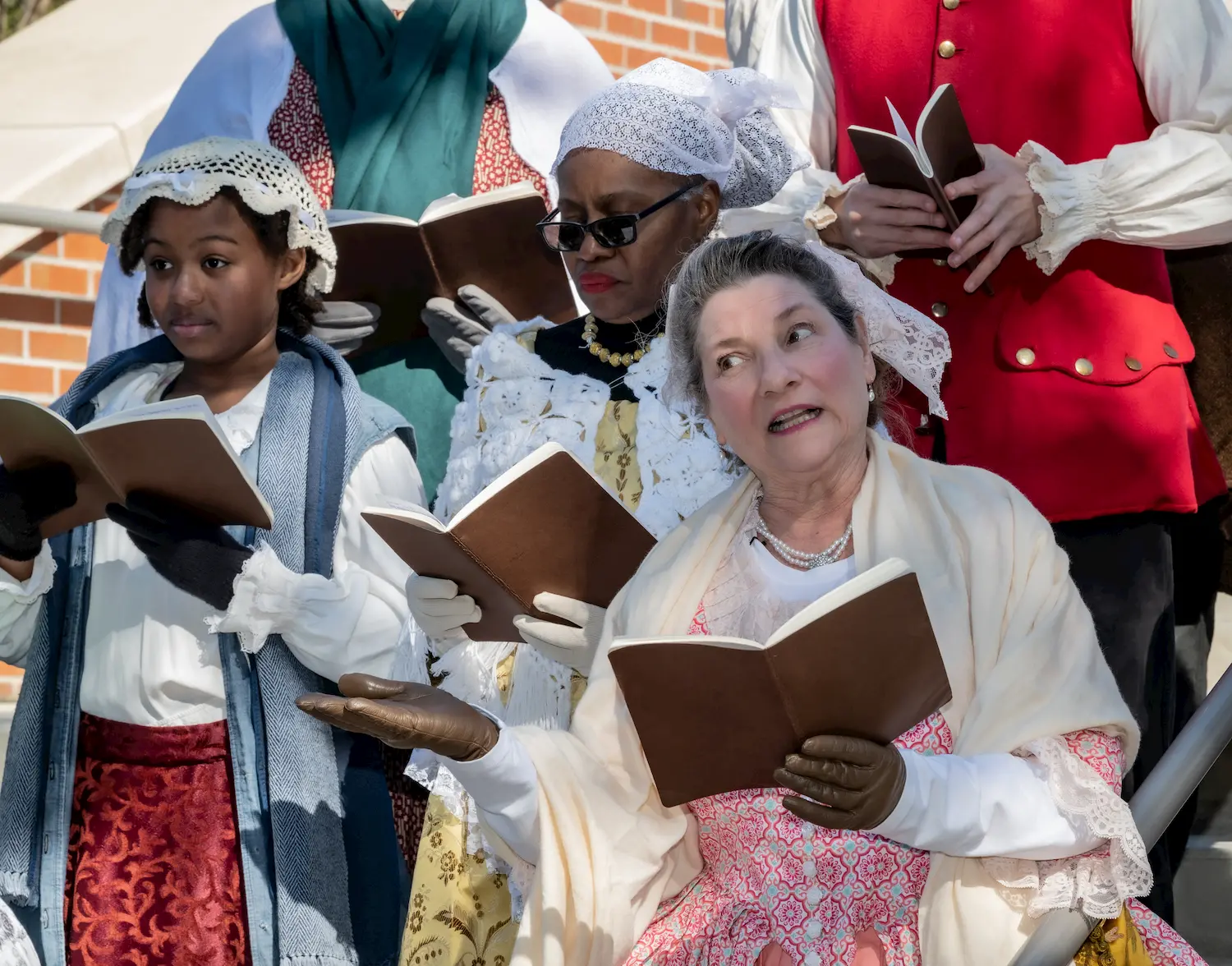
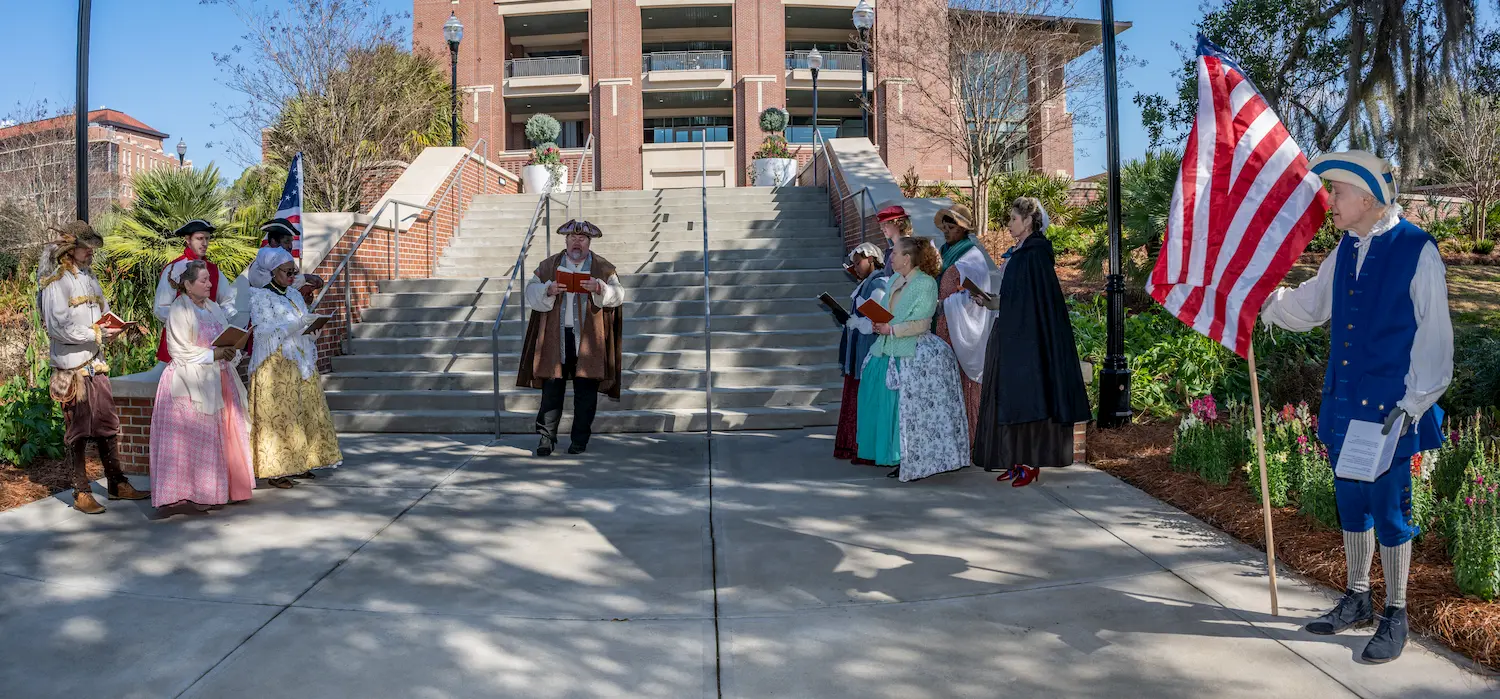
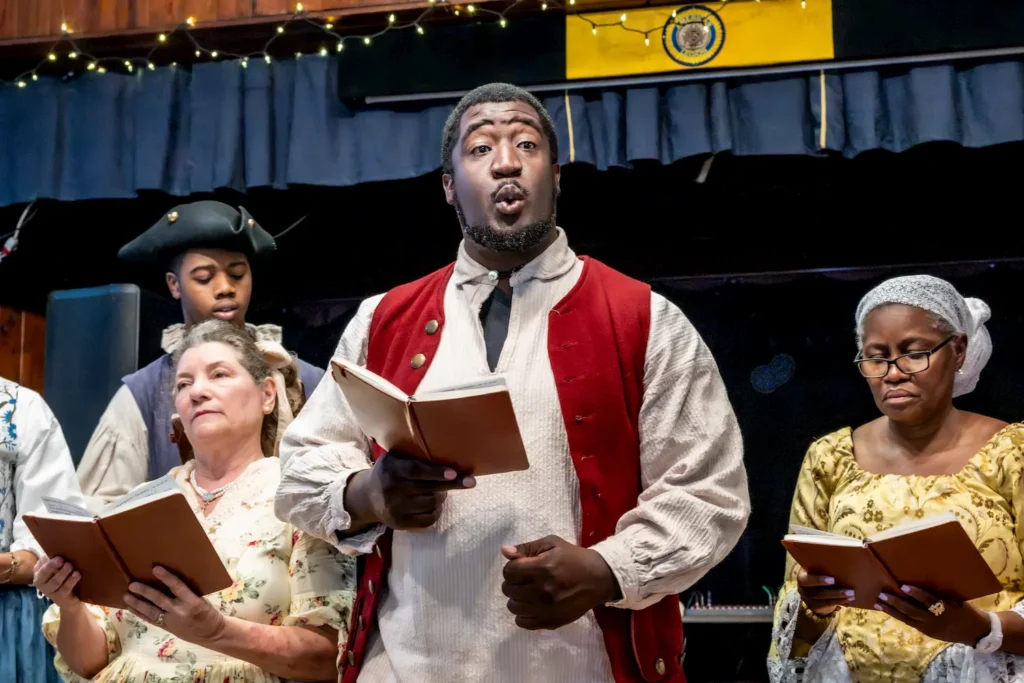
To celebrate the 250th birthday of the USA, Theater with a Mission (TWAM) is performing dramatic readings of the Declaration of Independence. We are finding world-class drama in this world-changing document.
One thrill that the Declaration holds for actors and for audiences is the excitement of experiencing firsthand famous words that give voice to transformative ideas. One of the most famous phrases ever coined to describe the way that Americans think about how our nation ought to operate comes from the Declaration of Independence, right up front in the prolog:
“We hold these truths to be self-evident, that all men are created equal, that they are endowed by their Creator with certain unalienable Rights that among these are Life, Liberty and the pursuit of Happiness.”
We are finding that this part of the Declaration still gives people a breathtaking vision of liberty and equality. Malcolm T. Pearson, the golden-tongued Black actor who speaks these lines for TWAM, lets you feel the full glory of this promise, and the urgent challenge of living up to it.
We are finding that more thrills follow the prolog. There is a deep, wide, dramatic range of emotions written into the Declaration as the text moves from the prolog into particulars about why the “United Colonies” find it necessary to “dissolve the political bands which have connected them” with Great Britian “and to assume among the powers of the earth, the separate and equal station to which the Laws of Nature and of Nature’s God entitle them.”
We are discovering passages that connect us with deep frustration about immigration – an emotion that Floridians experienced so keenly 250 years ago that it became one of the “facts … submitted to a candid world” to prove that “The history of the present King of Great Britain is a history of repeated injuries and usurpations.” The USA must sever its ties to the UK, the Declaration argues, because King George III “has endeavored to prevent the population of these States; for that purpose obstructing the Laws for Naturalization of Foreigners.”
We are finding clauses that link present-day fears about police-state tactics to our forebears’ determination to divorce themselves from a King who “has kept among us, in times of peace, Standing Armies without the Consent of our legislatures” and “affected to render the Military independent of and superior to the civil power.” Hearing these grievances voiced by TWAM’s youngest actor, 9-year-old Liberty Johnson, adds extra impact to their emotive power.
We are meeting money worries that make our nation’s founding fathers feel like family members. When actors speak out economic grievances against King George’s government – grievances that include “cutting off our Trade with all parts of the world” and “imposing Taxes on us without our Consent” – we hear the desire to build a better life for our children, the determination to wipe out unfair advantages in the marketplace, and the fear of economic failure that characterized Floridians during the American Revolution, and still characterize Floridians today.
The Declaration, we are finding, is full of family feeling – what the founding fathers called “the voice of justice and of consanguinity.” So TWAM is planning to present public readings of the Declaration all across north Florida during America 250, with performances punctuating all 3 days of the free, family-festival “Time Travel into Florida 1776” at Goodwood Museum & Gardens in Tallahassee on May 29-31.
For sneak previews of TWAM’s dramatization of the Declaration, visit TheaterwithaMission.com, and follow TWAM on Facebook, Instagram, and X. Come “solemnly publish and declare” with us “That these United Colonies are, and of Right ought to be Free and Independent States!”