


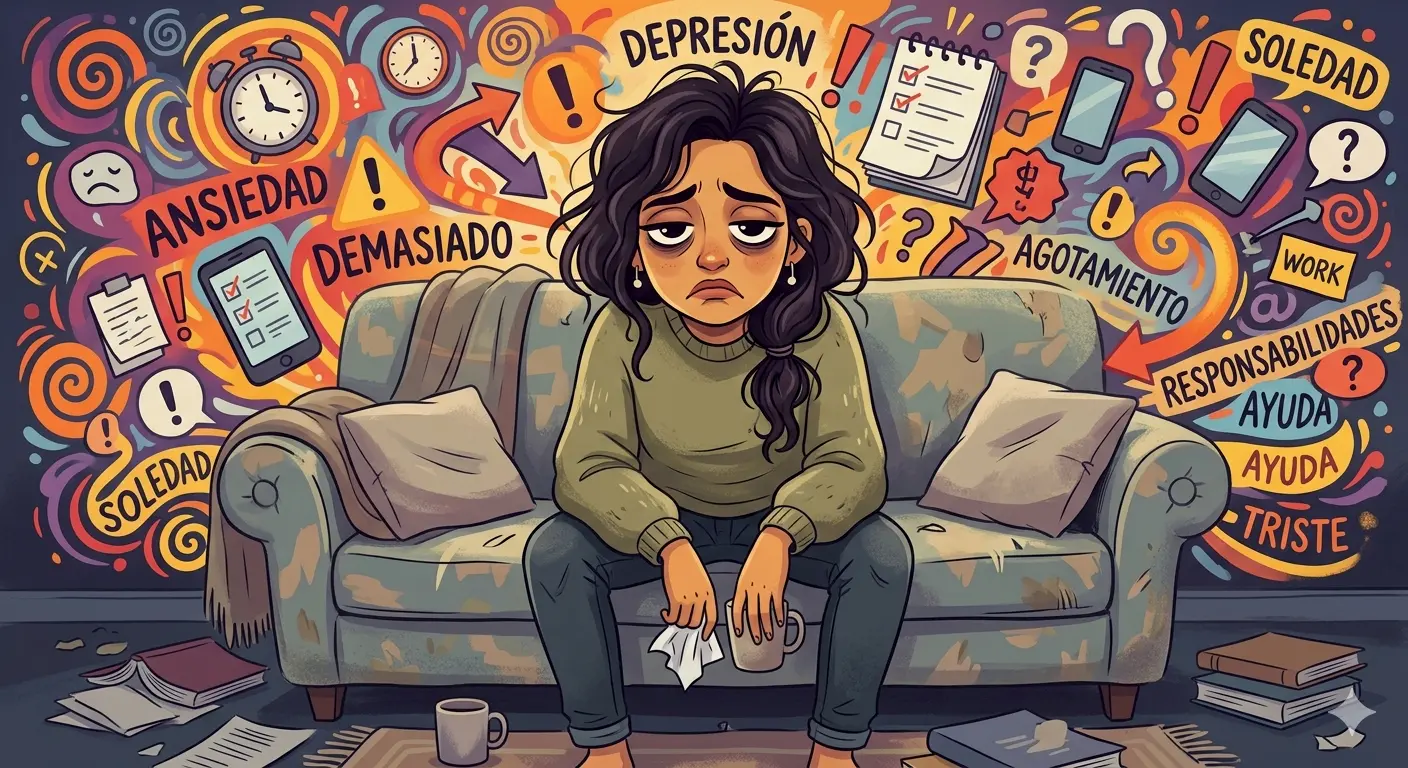
When Your Mind Won’t Sit Still… or Won’t Move at All
Anxiety vs. Depression: Two common conditions, very different experiences—know the signs, take control, and get help early.
What Is It?
- Anxiety = constant worry, fear, or nervous tension
- Depression = persistent sadness, loss of interest, low energy
They can happen separately… or together (which they often do).
Our Pateint: Maria’s Two Battles
Story
Maria, 34, a mother of two, couldn’t shut off her thoughts at night. Bills, work, family—her mind raced constantly. She slept poorly and felt on edge.
Months later, something changed.
She stopped worrying… but not in a good way.
She felt numb.
No energy. No interest in her kids’ activities. No motivation.
Maria wasn’t “lazy.”
She was experiencing both anxiety and depression.
With counseling and treatment, she slowly regained control.
Why It Gets Missed
People normalize it:
- “I’m just stressed”
- “I’m just tired”
- “It’ll pass”
Sometimes it does.
But when it doesn’t—it grows.
Symptoms
Anxiety
- Racing thoughts
- Restlessness
- Rapid heartbeat
- Trouble sleeping
- Feeling “on edge”
Depression
- Persistent sadness
- Loss of interest in activities
- Fatigue
- Changes in appetite
- Difficulty concentrating
Risks
- Social isolation
- Poor work performance
- Substance use
- Increased risk of chronic illness
- Suicide risk (this is the one we don’t ignore)
Prevention & Early Action
- Regular exercise
- Sleep hygiene
- Social connection
- Limiting alcohol
- Mindfulness or relaxation techniques
Action Steps
✔ Talk to someone you trust
✔ See a healthcare provider
✔ Don’t self-diagnose with Google
✔ If symptoms last >2 weeks → act
✔ If suicidal thoughts → seek immediate help (988 in the U.S.)
Checklist
✔ Sleeping normally?
✔ Enjoying daily activities?
✔ Energy level stable?
✔ Mood consistent?
If you checked “no” more than twice → don’t ignore it.