Diabetes: The Silent Guest That Won’t Leave Without a Plan

Diabetes: The Silent Guest That Won’t Leave Without a Plan Diabetes is that uninvited houseguest who wanders in, stays too long in the kitchen, and snacks on your energy without asking. In the United States, more than 38 million people live with diabetes, and millions more walk around with prediabetes…

Diabetes: The Silent Guest That Won’t Leave Without a Plan

Diabetes is that uninvited houseguest who wanders in, stays too long in the kitchen, and snacks on your energy without asking. In the United States, more than 38 million people live with diabetes, and millions more walk around with prediabetes but feel “fine.” That’s exactly why awareness matters.

What Is Diabetes, Really?

Think of your body as a house powered by sugar. Insulin is the key that opens each door so sugar can enter and fuel your cells. When the key doesn’t work or isn’t made at all, sugar builds up in the blood and causes slow damage.

The main types are:

  • Type 1: Little to no insulin.
  • Type 2: Plenty of insulin, but it doesn’t work well.
  • Gestational: Begins during pregnancy.

Warning Signs

Diabetes doesn’t shout. It whispers:

  • Increased thirst
  • Frequent urination
  • Fatigue
  • Blurred vision
  • Slow-healing cuts

Why November Matters

High blood sugar is a slow burner. Over years, it can damage the heart, kidneys, eyes, and nerves. The earlier it’s caught, the more control you have.

Small Steps That Make a Big Difference

  • Drink more water and fewer sugary drinks.
  • Fill half your plate with veggies.
  • Walk 20–30 minutes daily.
  • Get your A1C checked.
  • Learn your family history.

Diabetes doesn’t need to run the show. This November is your reminder to take back the wheel.
Related posts

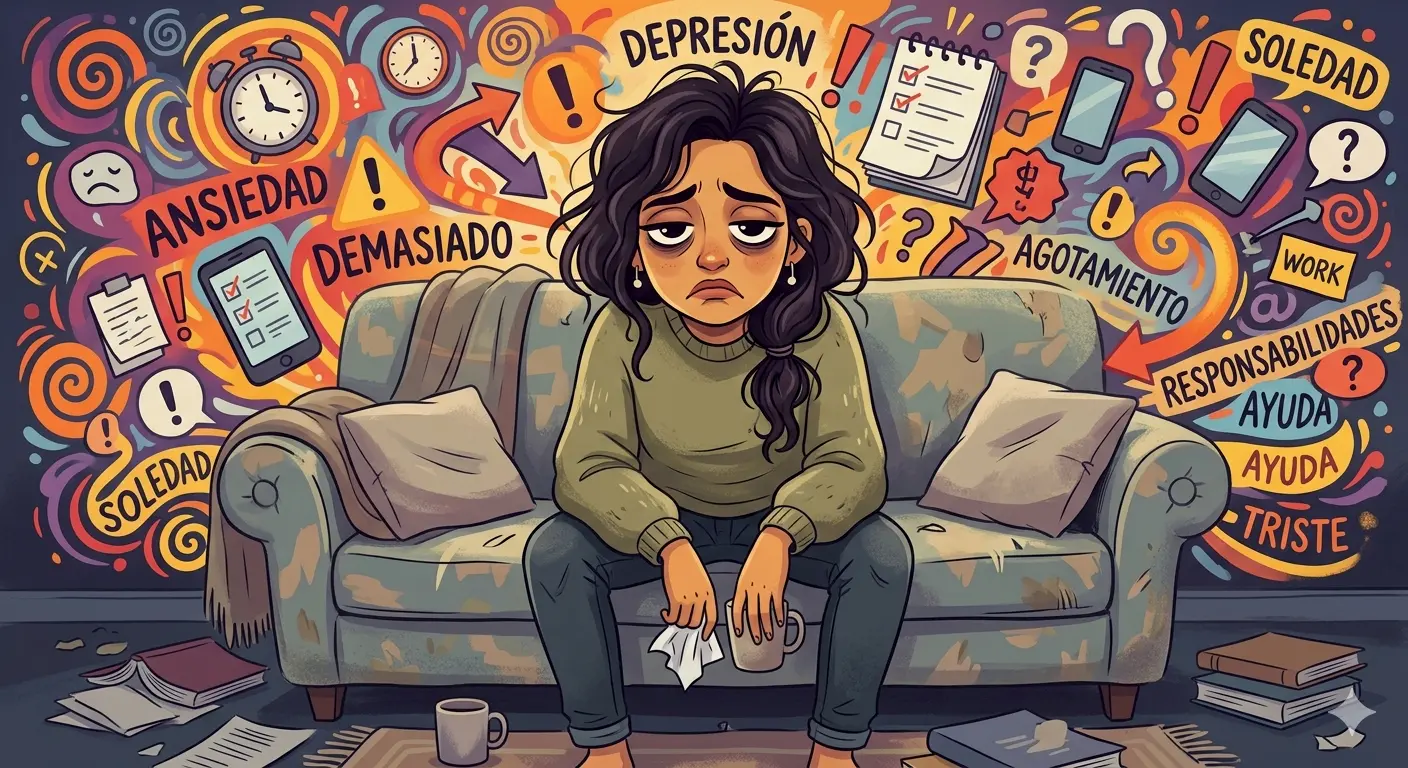
A woman with a sad expression sits slouched on a couch, holding a tissue. The background is filled with Spanish words like “ansiedad,” “depresión,” and “soledad,” symbolizing depression, anxiety, and struggles with mood disorders.

Anxiety vs Depression: Symptoms, Differences, and When to Get Help

Reading Time: 1:43 min

When Your Mind Won’t Sit Still… or Won’t Move at All Anxiety vs. Depression: Two common conditions, very different experiences—know the signs, take control, and get help early. What Is…

View post
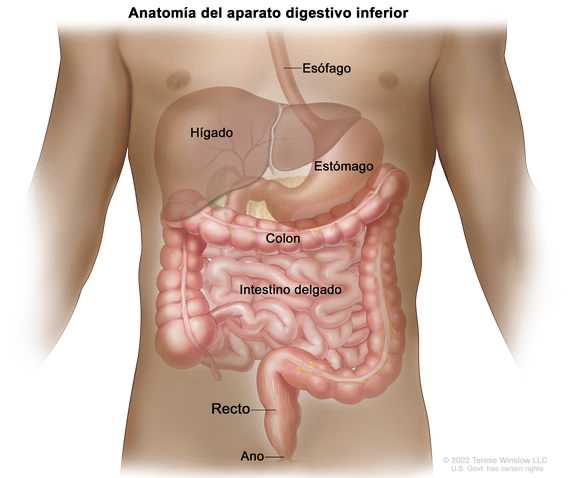
Illustration of the lower digestive system showing the esophagus, liver, stomach, colon, small intestine, rectum, and anus labeled in Spanish on a human torso—ideal for cancer prevention awareness and early detection education.

The Cancer We Can Often Prevent—If We Pay Attention

Reading Time: 2:28 min

Colon and rectal cancer—often grouped together as colorectal cancer—is one of the most common cancers in adults. Here’s the good news: it’s also one of the most preventable. The bad…

View post
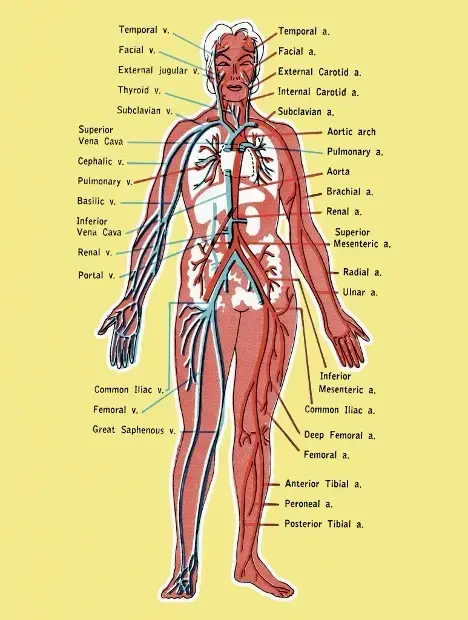
Diagram of the human circulatory system showing a labeled comparison of major arteries (in red) and veins (in blue) throughout the body, with anatomical labels for each vessel.

February Is Heart Health Awareness Month

Reading Time: 2:49 min

February Is Heart Health Awareness Month The Most Common Cause of Death—and One of the Most Preventable By Marcos Otero, Physician’s Assistant (retired) Heart disease is the leading cause of…

View post

Diabetes: The Silent Guest That Won’t Leave Without a Plan

Diabetes: The Silent Guest That Won’t Leave Without a Plan Diabetes is that uninvited houseguest who wanders in, stays too long in the kitchen, and snacks on your energy without asking. In the United States, more than 38 million people live with diabetes, and millions more walk around with prediabetes…

Diabetes: The Silent Guest That Won’t Leave Without a Plan

Diabetes is that uninvited houseguest who wanders in, stays too long in the kitchen, and snacks on your energy without asking. In the United States, more than 38 million people live with diabetes, and millions more walk around with prediabetes but feel “fine.” That’s exactly why awareness matters.

What Is Diabetes, Really?

Think of your body as a house powered by sugar. Insulin is the key that opens each door so sugar can enter and fuel your cells. When the key doesn’t work or isn’t made at all, sugar builds up in the blood and causes slow damage.

The main types are:

  • Type 1: Little to no insulin.
  • Type 2: Plenty of insulin, but it doesn’t work well.
  • Gestational: Begins during pregnancy.

Warning Signs

Diabetes doesn’t shout. It whispers:

  • Increased thirst
  • Frequent urination
  • Fatigue
  • Blurred vision
  • Slow-healing cuts

Why November Matters

High blood sugar is a slow burner. Over years, it can damage the heart, kidneys, eyes, and nerves. The earlier it’s caught, the more control you have.

Small Steps That Make a Big Difference

  • Drink more water and fewer sugary drinks.
  • Fill half your plate with veggies.
  • Walk 20–30 minutes daily.
  • Get your A1C checked.
  • Learn your family history.

Diabetes doesn’t need to run the show. This November is your reminder to take back the wheel.
Related posts

A woman with a sad expression sits slouched on a couch, holding a tissue. The background is filled with Spanish words like “ansiedad,” “depresión,” and “soledad,” symbolizing depression, anxiety, and struggles with mood disorders.

Anxiety vs Depression: Symptoms, Differences, and When to Get Help

Reading Time: 1:43 min

When Your Mind Won’t Sit Still… or Won’t Move at All Anxiety vs. Depression: Two common conditions, very different experiences—know the signs, take control, and get help early. What Is…

View post
Illustration of the lower digestive system showing the esophagus, liver, stomach, colon, small intestine, rectum, and anus labeled in Spanish on a human torso—ideal for cancer prevention awareness and early detection education.

The Cancer We Can Often Prevent—If We Pay Attention

Reading Time: 2:28 min

Colon and rectal cancer—often grouped together as colorectal cancer—is one of the most common cancers in adults. Here’s the good news: it’s also one of the most preventable. The bad…

View post
Diagram of the human circulatory system showing a labeled comparison of major arteries (in red) and veins (in blue) throughout the body, with anatomical labels for each vessel.

February Is Heart Health Awareness Month

Reading Time: 2:49 min

February Is Heart Health Awareness Month The Most Common Cause of Death—and One of the Most Preventable By Marcos Otero, Physician’s Assistant (retired) Heart disease is the leading cause of…

View post