Myokymia – Eye Twitching
By Marcos Otero, Gulf Coast Immediate Care Center, Fort Walton Beach
Eye Twitching, called myokymia
Eye Twitching, called myokymia: is an involuntary blinking of your eyelid when muscles twitch in the eyelid of one eye. Quivering can happen frequently. Facial muscles open and close your lids. Problems with these can cause eye twitch.
Eye twitching is common and typically benign, meaning not a severe medical condition. It may occur suddenly and be out of nowhere. The eye twitching can range from obvious to not noticeable. Typically, eye twitches may feel stronger than they appear to someone looking at your eye. This is called myokymia when muscles twitch in the eyelid of one eye. Eye twitching usually does not last very long, but it is known to last up to a couple months.
Twitching very rarely can be a sign of other health problems. Eye twitching can sometimes be the earliest sign of a chronic disorder, mainly when other facial spasms develop simultaneously. A couple neurological conditions that can affect the eye include blepharospasm and hemifacial spasm, which are not as common as benign eye twitching.
Symptoms
Twitching affects the muscles in the eyelid and causes twitching or involuntary blinking. Usually, only the upper lid twitches. Symptoms may become more noticeable over time.
Often the twitching ceases when you are resting, sleeping, or concentrating on something challenging.
Causes and Triggers include:
- Bright lights,
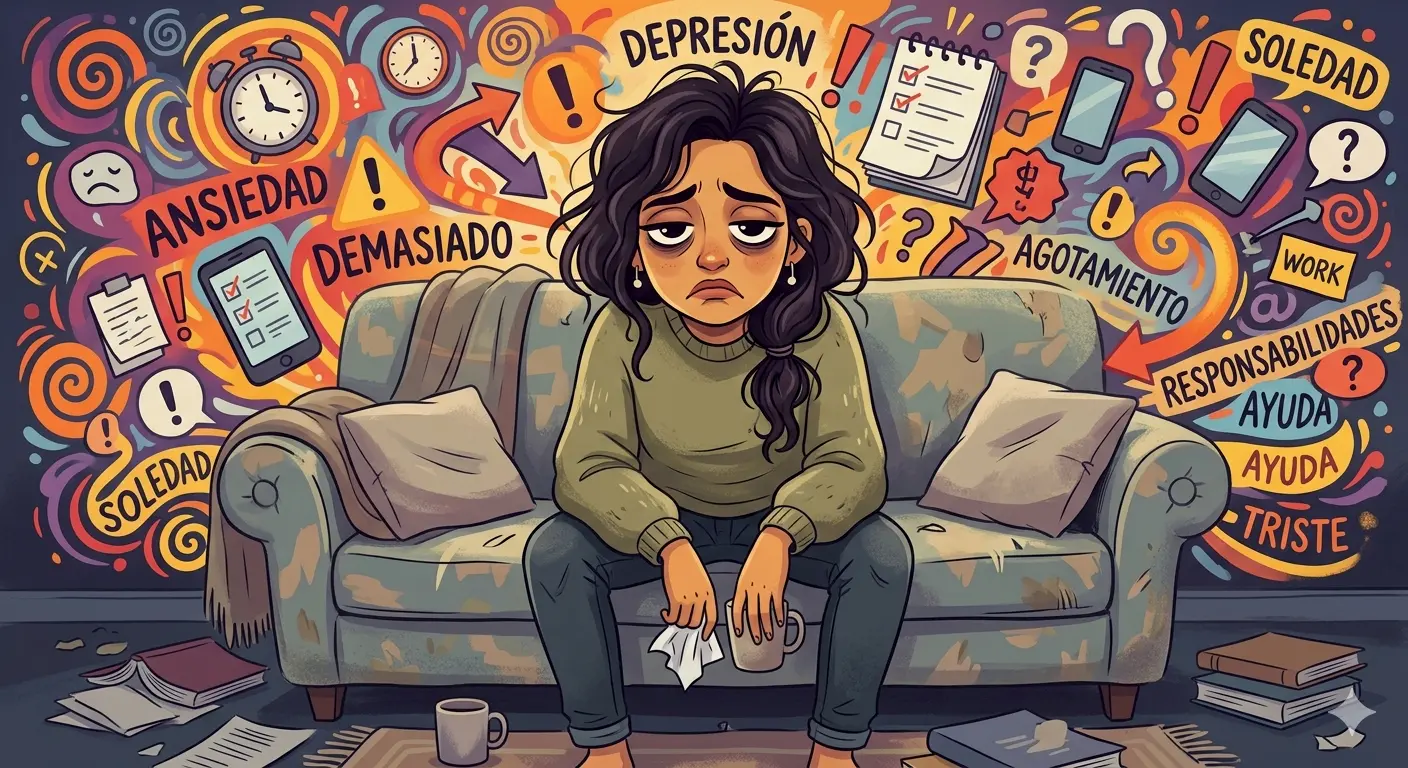
- stress,
- fatigue,
- caffeine,
- alcohol
- allergies
- driving,
- smoking
- eye irritation
Treatment
Most will not need any treatment as it resolves spontaneously. You can help improve by:
- Get more sleep
- Reduce your caffeine and/or alcohol intake
- Reduce stress with exercise or meditation.
- Alleviate dry eyes or eye irritation with eye drops
- Use sunglasses when needed.