

February Is Heart Health Awareness Month
The Most Common Cause of Death—and One of the Most Preventable
By Marcos Otero, Physician’s Assistant (retired)
Heart disease is the leading cause of death for men and women. Yet for many people, it still feels distant—something that happens to “other people.” That mindset is exactly what gets us into trouble.
The truth? Heart disease often develops quietly over many years. By the time symptoms show up, the damage may already be significant. The good news is that small, consistent lifestyle choices can dramatically reduce risk—and it’s never too late to start.
What Is Heart Disease?
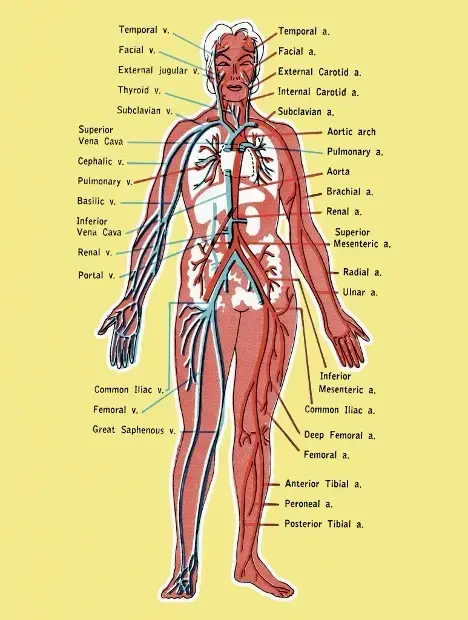
Heart disease is an umbrella term that includes conditions affecting the heart and blood vessels. The most common type is coronary artery disease, where plaque builds up inside the arteries, reducing blood flow to the heart. Over time, this can lead to chest pain, heart attacks, heart failure, or sudden cardiac death.
Plaque buildup doesn’t happen overnight. It’s a slow process influenced by diet, activity level, smoking, stress, and chronic conditions like diabetes and high blood pressure.
Why Heart Disease Is Often Missed
Many people expect heart problems to come with dramatic warning signs. In reality, symptoms can be subtle—or ignored.
Fatigue gets blamed on aging. Shortness of breath gets brushed off as being “out of shape.” Chest discomfort may feel like indigestion. Some people—especially women—experience atypical symptoms, which delays diagnosis.
Silence doesn’t mean safety.
“Heart disease often develops quietly—but prevention works loudly.”
Who Is at Risk?
You don’t need a family history to develop heart disease. Risk factors include:
- High blood pressure
- High blood pressure
- High cholesterol
- Diabetes
- Smoking or vaping
- Obesity
- Physical inactivity
- Chronic stress
- Poor sleep
Heart disease affects all ages and all backgrounds, but risk increases with time and unchecked habits.
Warning Signs You Shouldn’t Ignore
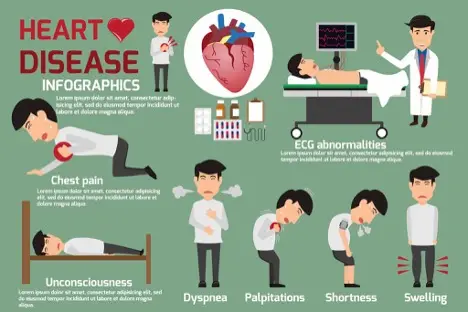
Common symptoms include:
- Chest pain, pressure, or tightness
- Shortness of breath
- Pain in the arm, jaw, neck, or back
- Dizziness or fainting
- Extreme fatigue
- Nausea or sweating
If symptoms are sudden or severe, seek emergency care immediately. Minutes matter.
“You don’t have to feel sick to be at risk.”
Prevention: Your Strongest Tool
Heart disease is one of the most preventable chronic conditions. Prevention doesn’t require perfection—it requires consistency.
- Eat more fruits, vegetables, whole grains, and lean proteins
- Reduce salt, sugar, and processed foods
- Move your body at least 30 minutes most days
- Quit smoking
- Manage stress and sleep
- Know your blood pressure, cholesterol, and blood sugar
These steps work together, not in isolation.
“Small daily choices protect your heart over a lifetime.”
A Patient Story: Maria’s Wake-Up Call
Maria is 49, busy, and always taking care of everyone else. She ignored her fatigue and occasional chest tightness for months. When she finally sought care, tests showed early coronary artery disease.
The good news? It was caught early.
With lifestyle changes, medication, and follow-up care, Maria avoided a heart attack. Her words now:
“I thought I was too young. I was wrong—and lucky.”
What You Can Do Today
- Schedule a routine checkup
- Ask about heart risk factors
- Make one heart-healthy change this week
- Talk openly with family about heart history
Heart health isn’t about fear. It’s about awareness, action, and choices that add years to your life—and life to your years.