


“Are Your Child’s Eyes Telling You Something?”
August is Children’s Eye Health and Safety Month
Children often can’t verbalize vision problems. From squinting to wearing one eye down, small signs add up—especially in August, Children’s Eye Health Awareness Month.
Did you know?
- Vision disorders can negatively impact a baby’s ability to bond with their parent/caregiver, explore the world by reaching and grasping, and impede the development of fine and gross motor skills.
- One in every four school-age children and one in every seventeen preschool-aged children have some form of vision problem requiring treatment.
- 24% of teens with correctable vision have the wrong prescription, and this rises to about 33% for Mexican-American and African-American teens.
- 80% of all blindness and vision impairment is either preventable or treatable.
Across the country, as children and parents prepare for back-to-school, remember that a healthy vision is crucial to academic and social success. As a child grows, an untreated eye disease or condition becomes more difficult to correct. These can worsen and lead to other serious problems, affecting reading ability, focus, classroom behavior, and social adjustment in school.
Vision problems that can affect children include:
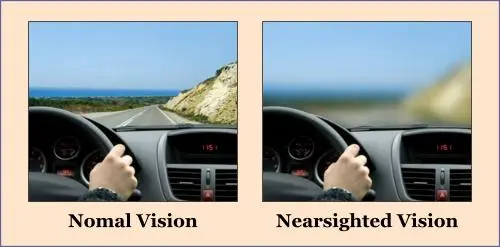
Refractive Errors – Nearsightedness, Farsightedness & Astigmatism
- A misshapen eye causes light to misfocus on the retina: distant objects appear fuzzy (myopia), or close objects do (hyperopia)—irregular curvature = astigmatism.
- Signs:
- Frequent squinting or rubbing eyes
- Head tilting or sitting too close to screens or books
- Why it matters: If uncorrected, it can affect school performance, attention, and reading.
Amblyopia (Lazy Eye)
- One eye is weaker, and the brain tends to ignore it. Common causes: strabismus, unequal prescription, drooping eyelid, or cataract.
- Signs: Head tilt, squinting, covering one eye, poor depth perception.
- Treatment: Glasses, patching, and occasional drops—best outcomes achieved before age seven.


Strabismus (Misaligned or Crossed Eyes)
- Eyes may turn inward, outward, upward, or downward. Affects ~2–4% of children and often causes amblyopia.
- Signs: One eye turns away, double vision (occasionally), poor depth perception.
- Treatment Options Include Glasses, therapy, or surgery, depending on the the cause.
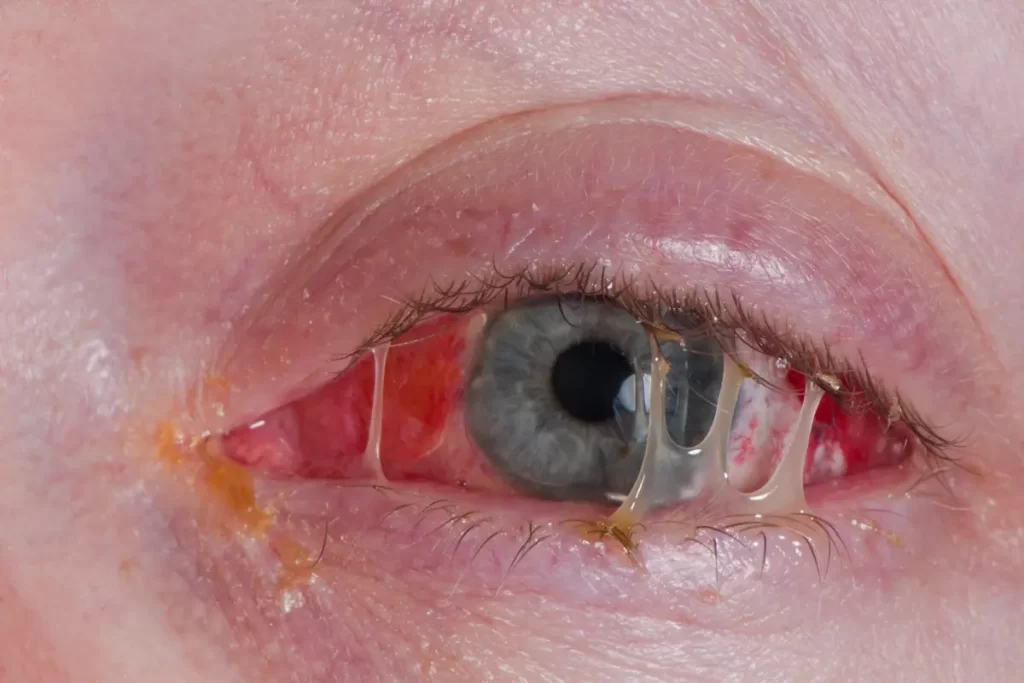
Conjunctivitis (Pink Eye)
- Inflammation of the conjunctiva causes redness, itching, and discharge. Viral, bacterial, or allergic.
- Signs: Red eye(s), sticky crust, itching, and tearing.
- Action: Prompt hygiene, separate towels, visit the doctor if symptoms persist or worsen
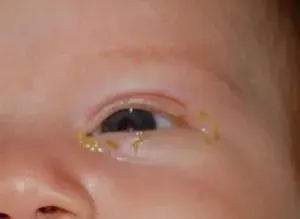
Blocked Tear Duct
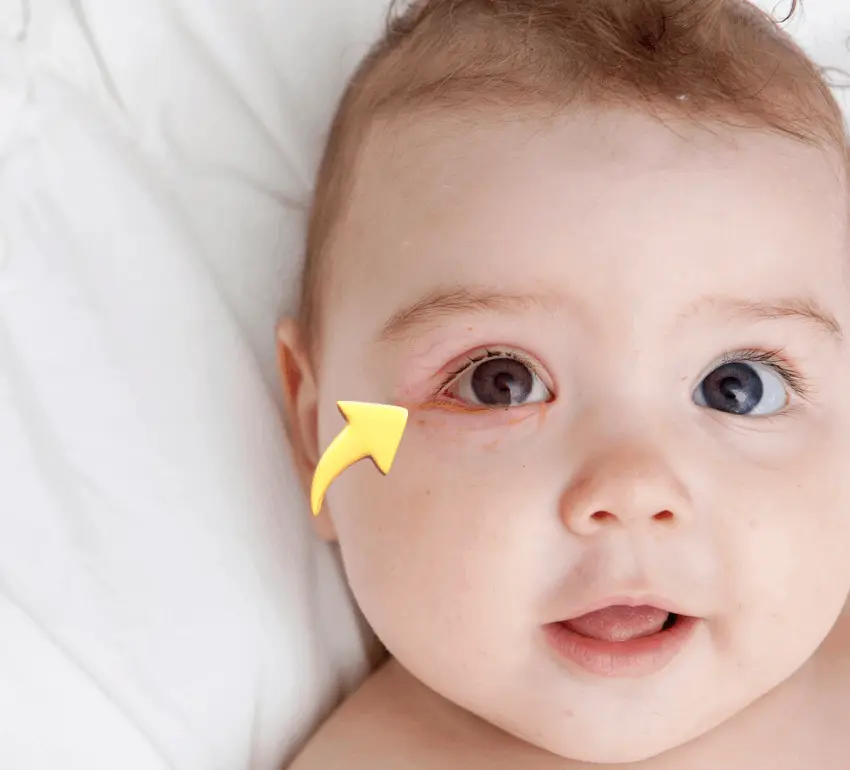
- Common in newborns: tears overflow or crust, but most clear by age 1.
- Signs: Excess tearing, mud crusting at the inner corner.
- Treatment: Gentle massage; persistent cases may require in-office probing.
Stye or Chalazion
- Infected or clogged eyelid glands cause painful lumps.
- Signs: A red bump on the eyelid, sometimes painful.
- Care: Apply warm compresses. If symptoms persist for more than 48 hours or worsen, consult a doctor.
Other Conditions to Early Spot
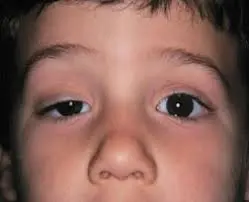
Ptosis
- A drooping eyelid that blocks vision and risks developing amblyopia.
Retinoblastoma
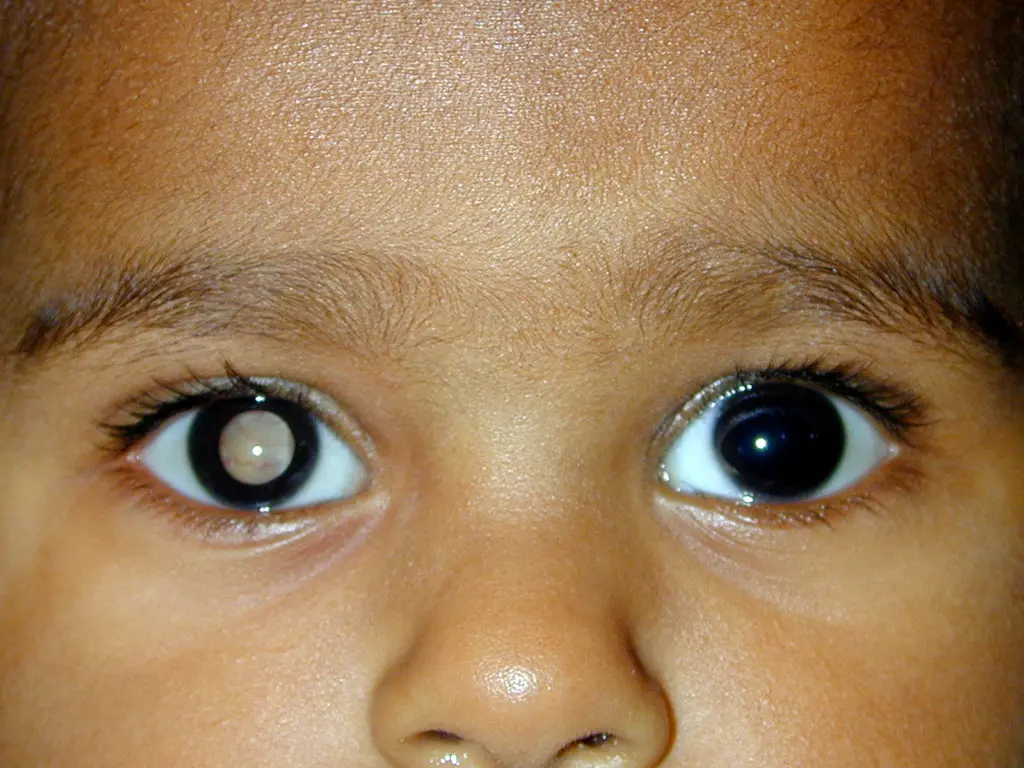
- Rare eye cancer with “white pupil” in photos (“cat’s eye”), may present with strabismus or red eye. Needs urgent care.
Retinopathy of Prematurity (ROP): Premature infants may develop abnormal retinal vessels, which may require laser treatment or surgery.
When to Act
Regular eye exams are not optional—they’re essential. School screenings aren’t enough. If you notice any of these signs, schedule a comprehensive pediatric eye evaluation before your child enters school. Many of these issues respond well to treatment if caught early.
I recommend vision screening and eye care when indicated. This can easily be screened at the beginning of each school year. OF COURSE, if you note problems at any time, get these checked out.
Healthy Eye Habits:
- Encourage outdoor play—it slows the progression of nearsightedness.
- Limit screen time; follow the 20-20-20 rule: every 20 minutes, look 20 feet away for 20 seconds.
- Keep your hands clean and avoid eye-rubbing.
- Use sunglasses and hats outdoors.